Fear of River Contamination by a Mining Company Returns to Haunt Indigenous People in Amazonas, Four Decades After First Accusations

Brazil's Federal Public Prosecutor's Office has reopened an investigation after tests found heavy metals in a stream feeding the river running through the Waimiri Atroari Indigenous Territory in the Amazon rainforest. The output of the country's top refined tin producer—Mineração Taboca—reaches the supply chains of Toyota and Tesla.
By Isabel Harari | Photos Fernando Martinho | Editing Carlos Juliano Barros

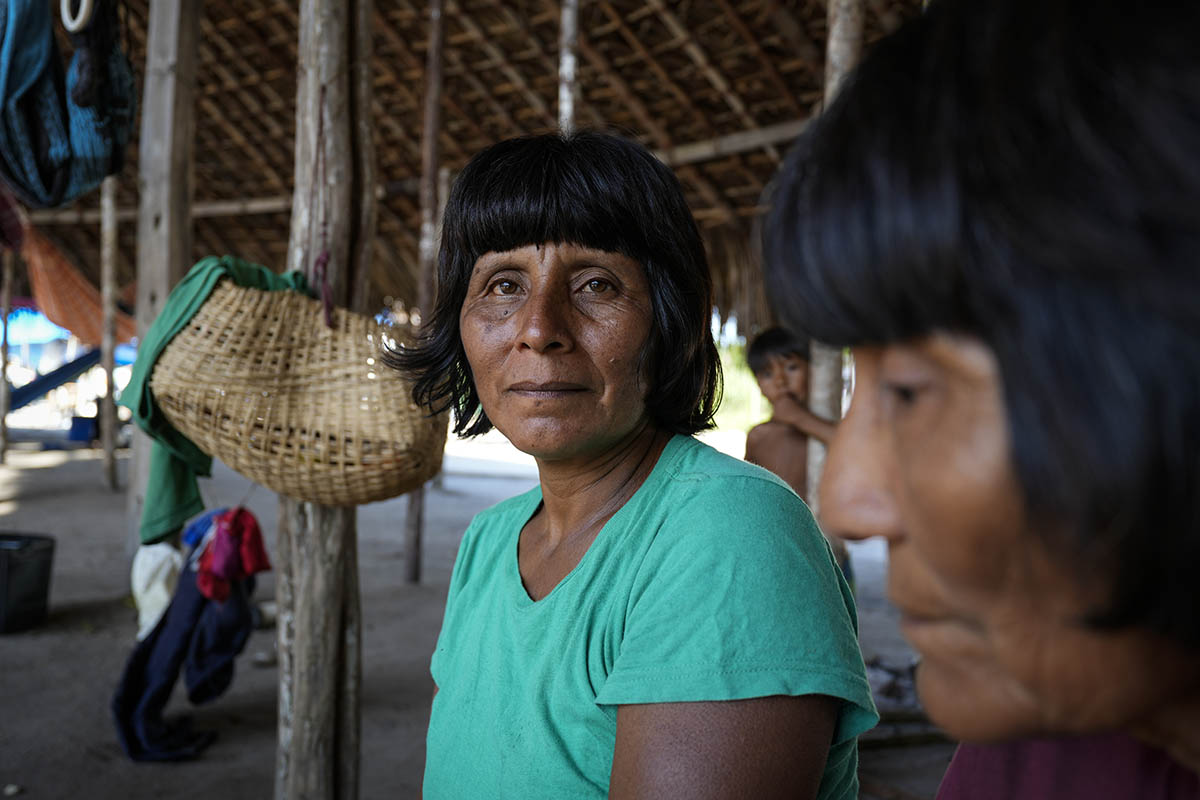
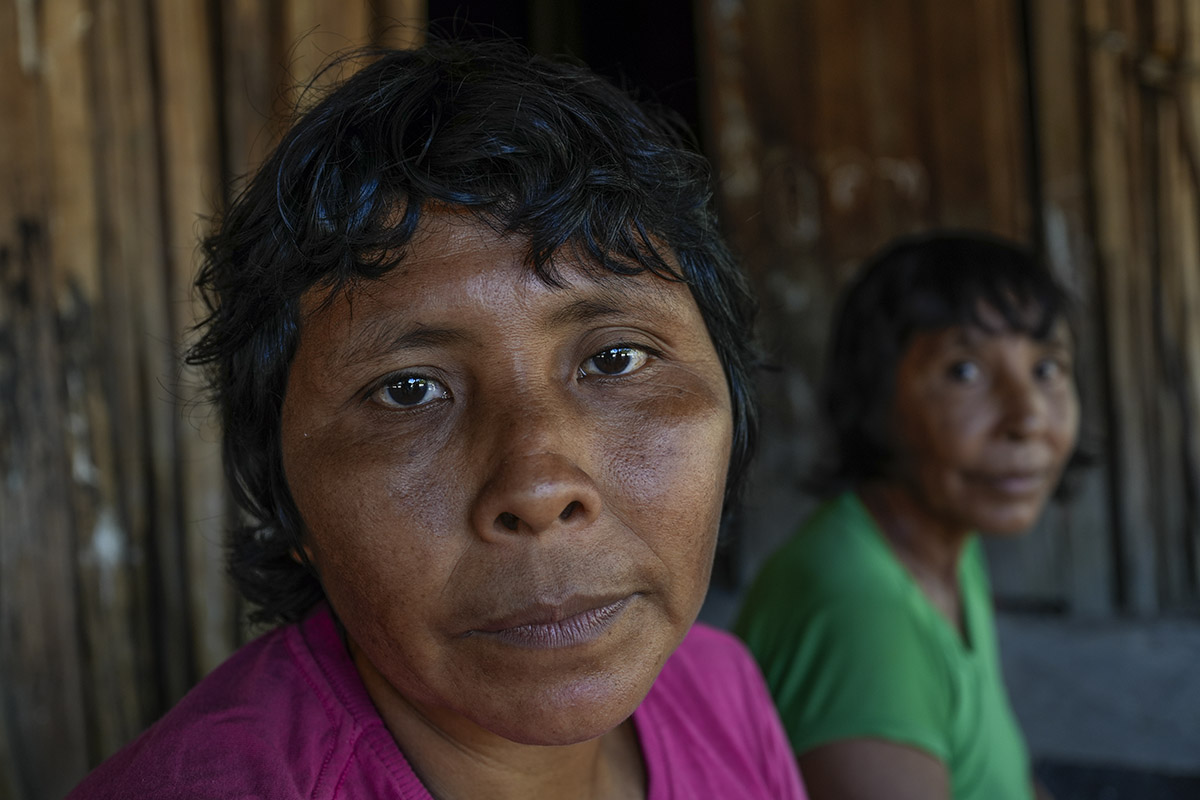
FROM THE WAIMIRI ATROARI INDIGENOUS LAND (AMAZONAS STATE, BRAZIL) – Akynamy no longer drinks from the river, choosing instead to bathe in a shower fed by well water, though the Alalaú river runs directly past her village. “I’m afraid to bathe in the river—it’s polluted, it’s dirty,” the elder laments.

Her story is increasingly common among the Kinja, as the Waimiri Atroari people—living between Amazonas and Roraima—call themselves. They are neighbors of Mineração Taboca, which is responsible for one of Brazil’s largest open-pit mines.

Since 1982, the company has operated in Presidente Figueiredo, Amazonas, and today is Brazil’s largest producer of refined tin—a metal that reaches the supply chains of automotive giants such as Toyota and Tesla.

Akynamy’s concerns are well-founded. A stream feeding the Alalaú—the principal river of the Indigenous land—is reportedly contaminated with lead, arsenic, and other hazardous substances. That’s according to a report on water quality submitted by Brazil’s National Foundation for Indigenous Peoples (FUNAI) to Brazil’s Federal Public Prosecutor’s Office (MPF) in Amazonas in August 2025.

The report, produced by the biotech startup Aqua Viridi, warned these contaminants in the water and sediments posed an “immediate threat” to both the Waimiri Atroari and their environment. Repórter Brasil reviewed the document firsthand; this reporting was supported by the Pulitzer Center’s Rainforest Investigations Network.

These findings led the MPF to revive its ongoing five-year investigation into whether mining is poisoning Indigenous lands. “FUNAI’s information proves there is a tangible impact on the territory,” said Fernando Merloto Soave, the Federal Prosecutor in Manaus.

For over forty years, the Kinja have live with the destruction of their homeland. Now, a new threat looms: a mineral rush fueled by the energy transition is driving new demand in the Amazon, adding pressure on the Waimiri Atroari, whose population was nearly annihilated in the 1970s during the construction of the BR-174 highway.

Mineração Taboca continues to mine cassiterite—the main ore for tin—alongside tantalum and niobium, and is now exploring ways to extract rare earth elements. These minerals are coveted by the arms and technology sectors worldwide. In 2024, the company was acquired by China Nonferrous Metal Mining Group, a state-owned enterprise.

The outlook is for growth. In January 2026, Taboca announced a US$100 million (R$523 million at the current exchange rate) investment to double its output of minerals in Amazonas and meet global demand for so-called “critical minerals.”

Akynamy lives in Xará village, on the banks of the Alalaú River: “If the fish are gone, our people are gone.” (Photo: Fernando Martinho/Repórter Brasil)
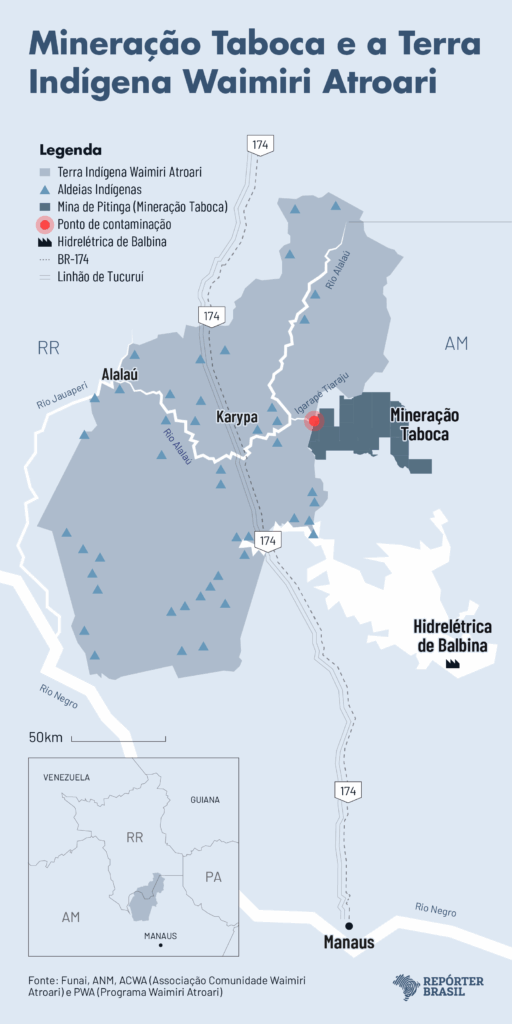
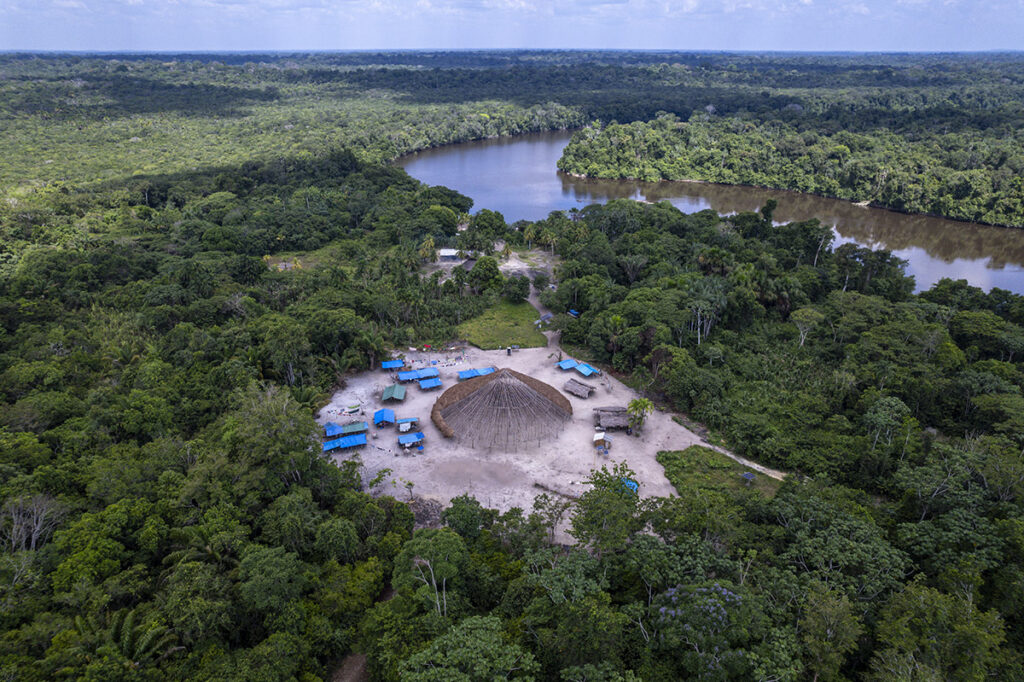
The Waimiri Atroari Indigenous Territory has about 95 villages, and at least 25 of them directly use the waters of the Alalaú River. (Photo: Fernando Martinho/Repórter Brasil)

ASSINE NOSSA NEWSLETTER

Asked by Repórter Brasil for comment, Taboca’s communications office said the company has maintained a relationship of “dialogue, respect, and cooperation” with the Waimiri Atroari for years.

Regarding the MPF-AM’s renewed water contamination probe, the company responded that “so far, there is no evidence indicating a causal nexus with our operations.”

The company added that the chemical analysis by Aqua Viridi and sent by FUNAI to the Federal Public Prosecutor’s Office “has methodological gaps that undermine the reproducibility of information as well as technical inconsistencies warranting further investigation before definitive conclusions can be drawn.”

The full statement from Mineração Taboca is available through this link. Other excerpts appear throughout this article.

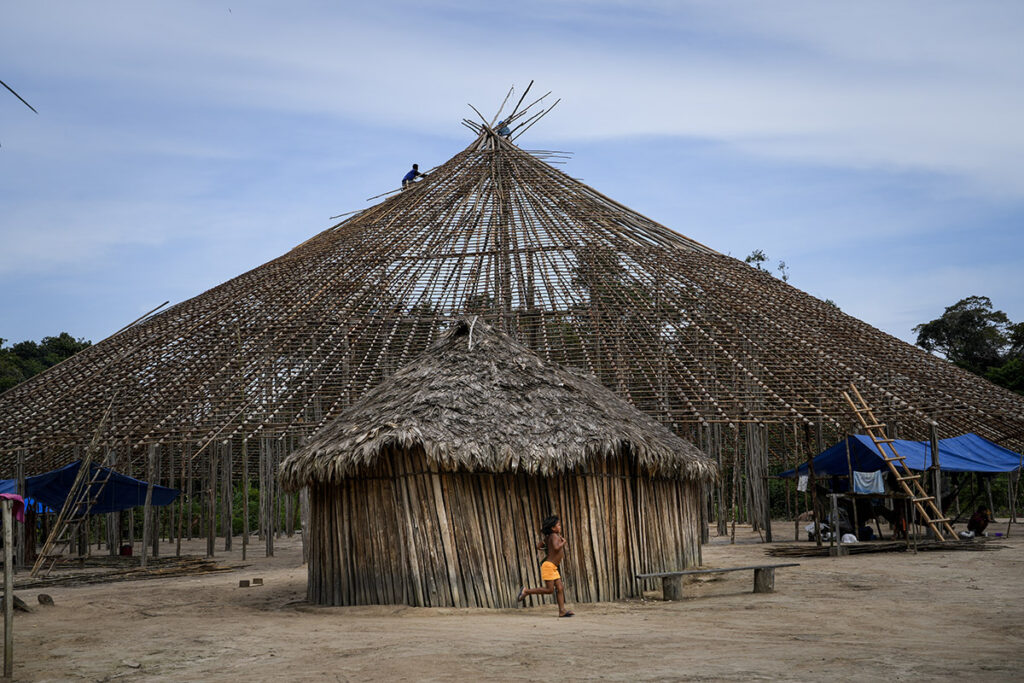
The population of the Waimiri Atroari Indigenous Territory exceeds 2,300 people. (Photo: Fernando Martinho/Repórter Brasil)
(Map: Rodrigo Bento/ Repórter Brasil)

The Indigenous territory was also affected by the construction of the BR-174 highway and the Balbina hydroelectric dam.

The Pitinga mine was opened on land traditionally claimed by the Kinja, its construction enabled by a presidential decree that shrank their recognized territory to enable the exploration. Mining began in 1982, when Taboca, then part of the Paranapanema group, commenced operations. Years later, reports of river contamination surfaced.

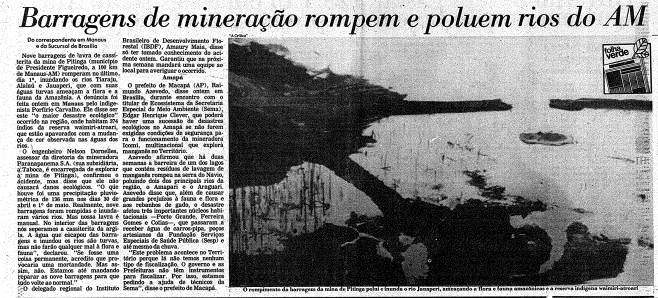
“Taboca dumps waste in the Pitinga, and this has caused much illness (…). When our people eat the fish, they fall ill,” reads a 1986 letter signed by two Kinja leaders. In 1987, headlines in Folha de S.Paulo chronicled the collapse of nine dams—runoff from the disaster reached the Alalaú and Tiaraju rivers, “whose turbid waters threaten the Amazon’s flora and fauna.”

(Image: Reproduced from Folha de S.Paulo)

Taboca’s contentious presence is just one chapter in the long history of conflict endured by the Waimiri Atroari. Before the mine, a highway bisected their ancestral lands. Built in the 1970s with support from the Brazilian Army, BR-174 cut through the territory, unleashing violence and epidemics and decimating the population from about 1,200 in 1974 to just 374 when construction ended.

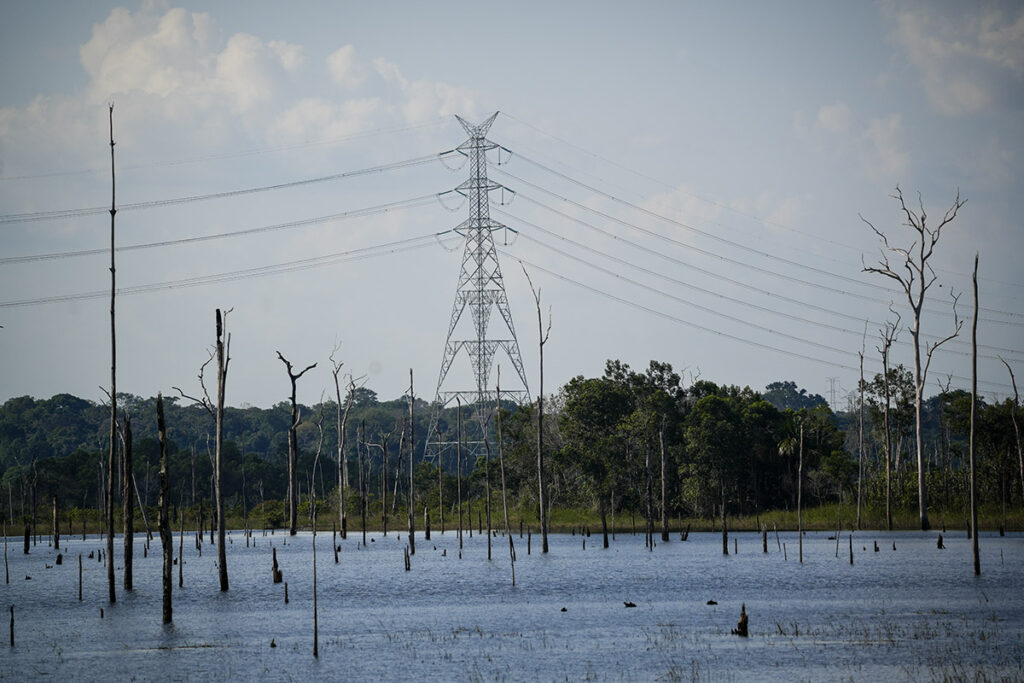
Soon after, in the 1980s, the creation of the Balbina Dam reservoir flooded part of the Waimiri Atroari land, displacing a third of the people living there. The promise of a power line connecting the cities of Manaus and Boa Vista also placed pressure on the Kinja—that project was completed in 2025.

“What is the water like for the Waimiri Atroari today? How will it be for future generations? If before they died from bullets and bombs, is the threat now contamination, cancer, birth defects? There are signs of contamination,” says Federal Prosecutor Fernando Merloto Soave.

In a statement to Repórter Brasil, Mineração Taboca emphasized that “regarding incidents in the 1970s and 1980s, the company clarifies that it was managed by another company at that time, which has no connection with the current administration.”

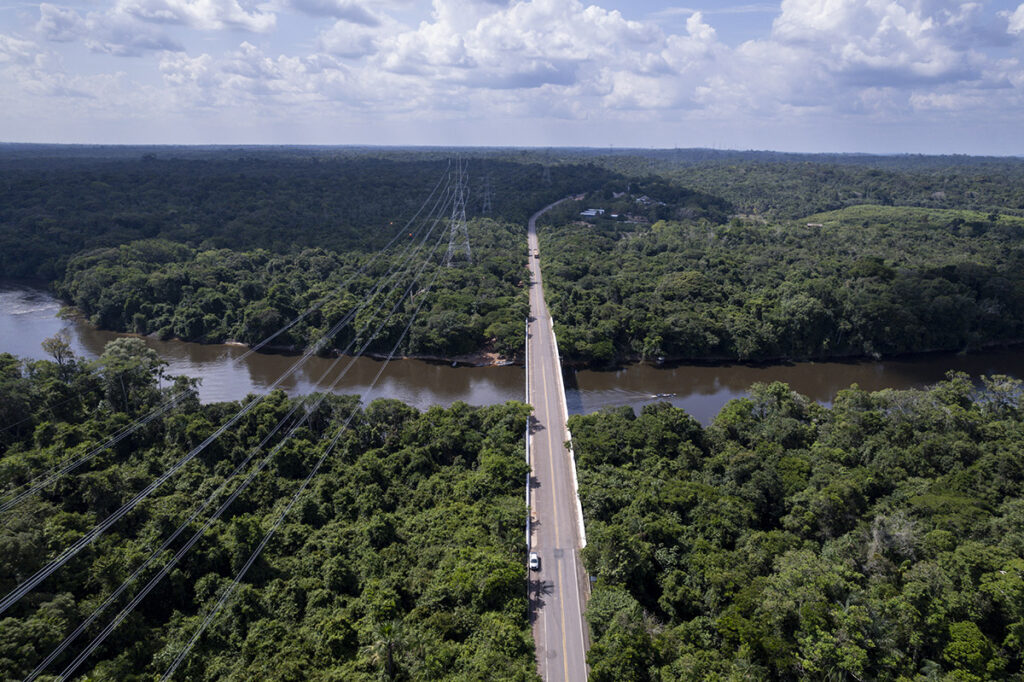
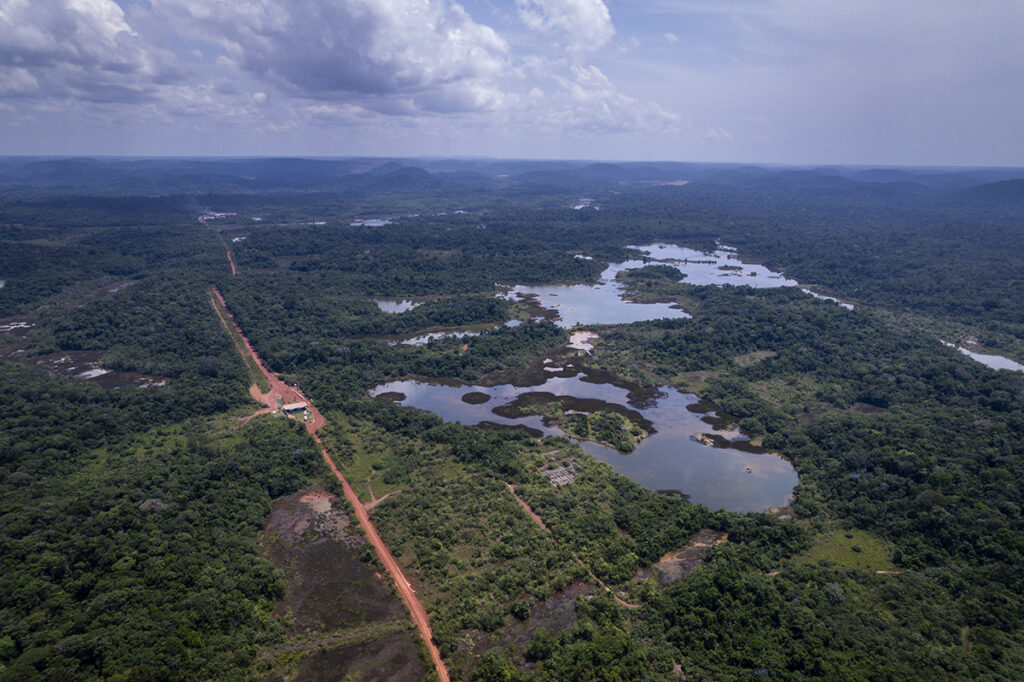
Aerial view of Highway BR-174 cutting through the forest and the Alalaú River inside the Waimiri Atroari Indigenous Territory. (Photo: Fernando Martinho/Repórter Brasil)
The Kinja territory has faced successive economic projects: the BR-174 highway, mining by Mineração Taboca, the Balbina hydroelectric dam, and the Tucuruí transmission line. (Photo: Fernando Martinho/Repórter Brasil)

Fear of river pollution once again haunts Indigenous people.

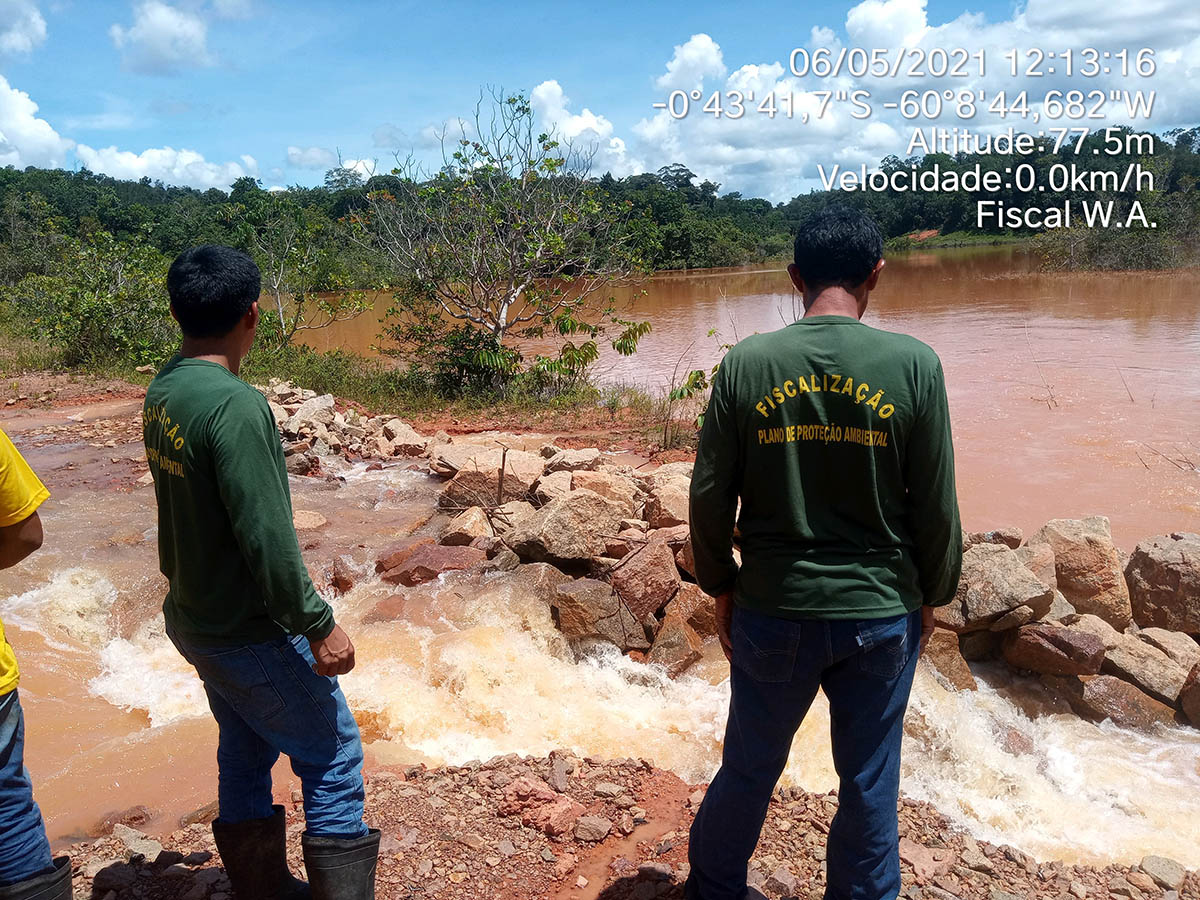
Decades after initial reports about pollution in Alalaú, the problem resurfaced in 2021. That year, heavy rains struck the region, causing mine waste to overflow.

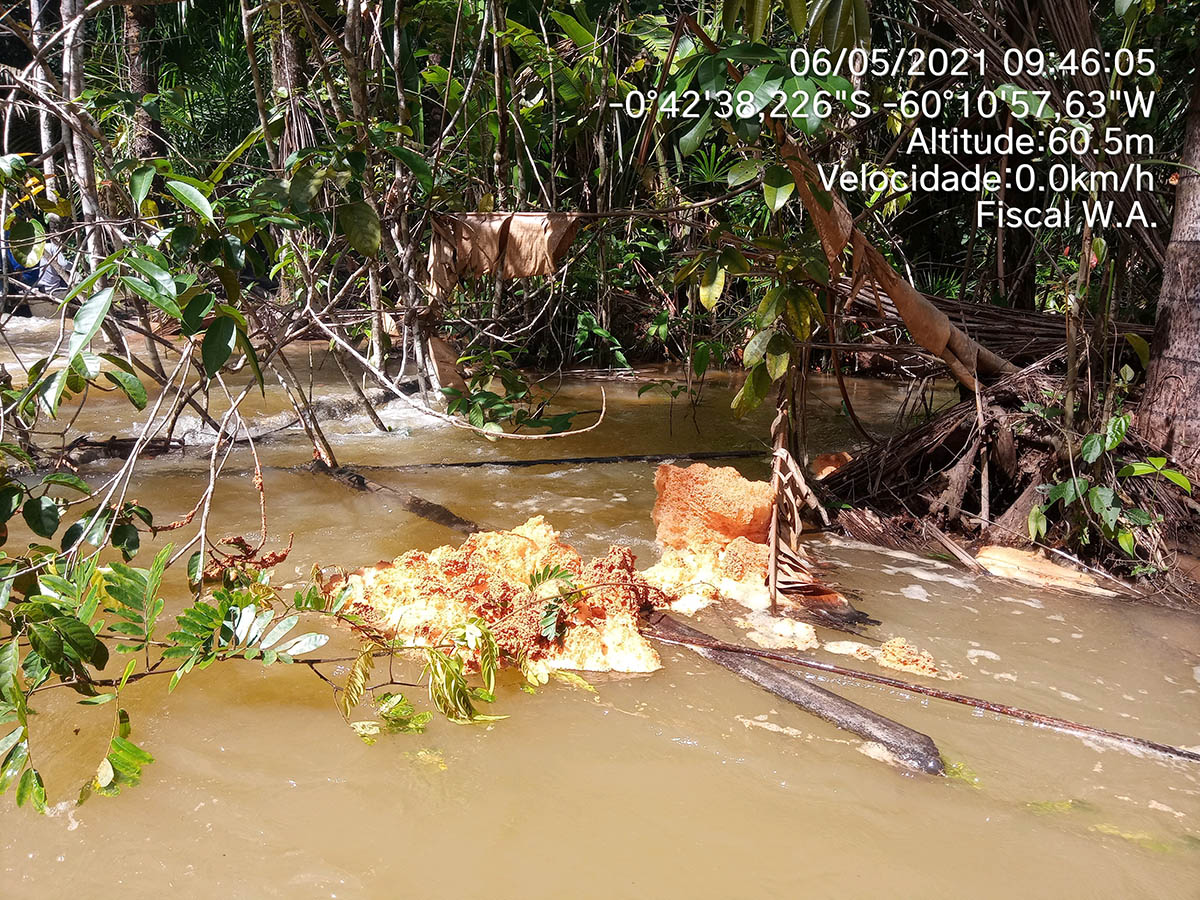
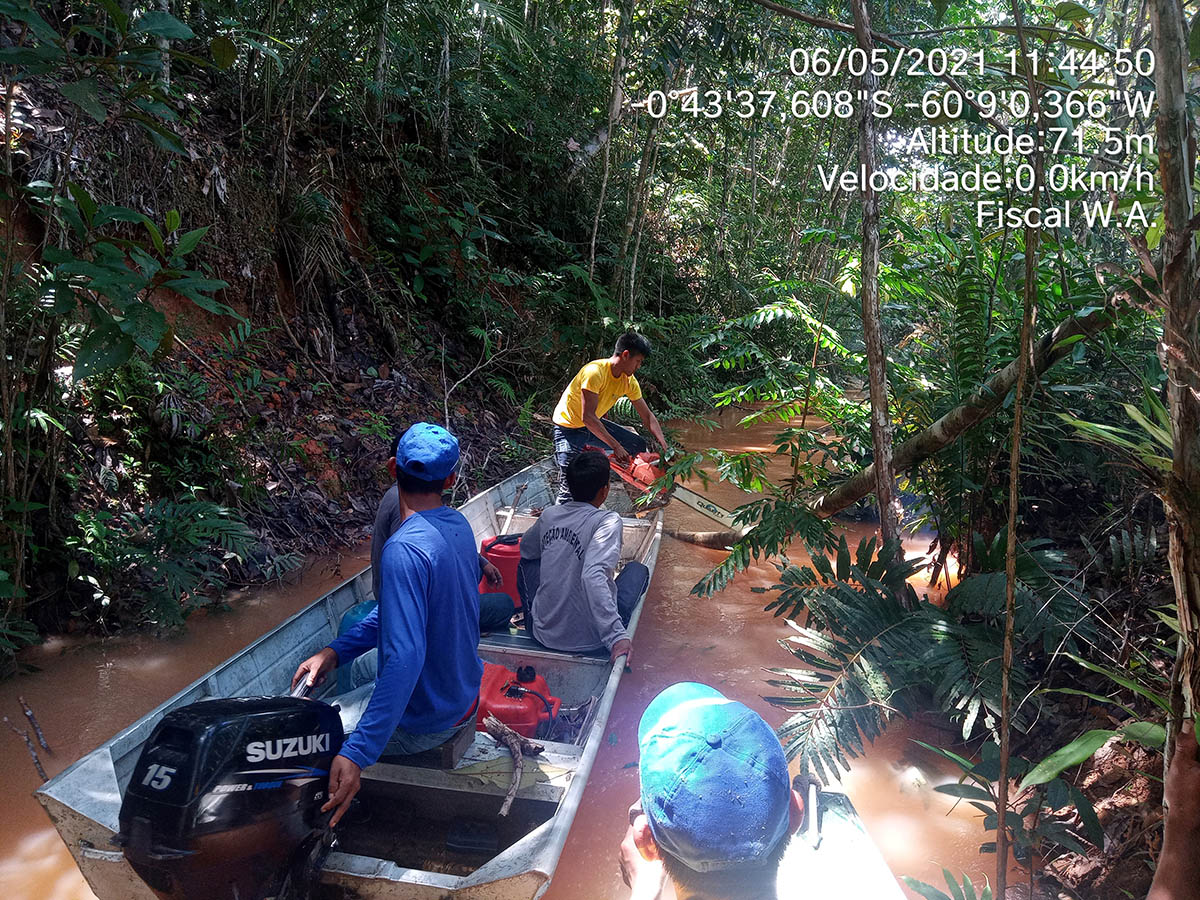
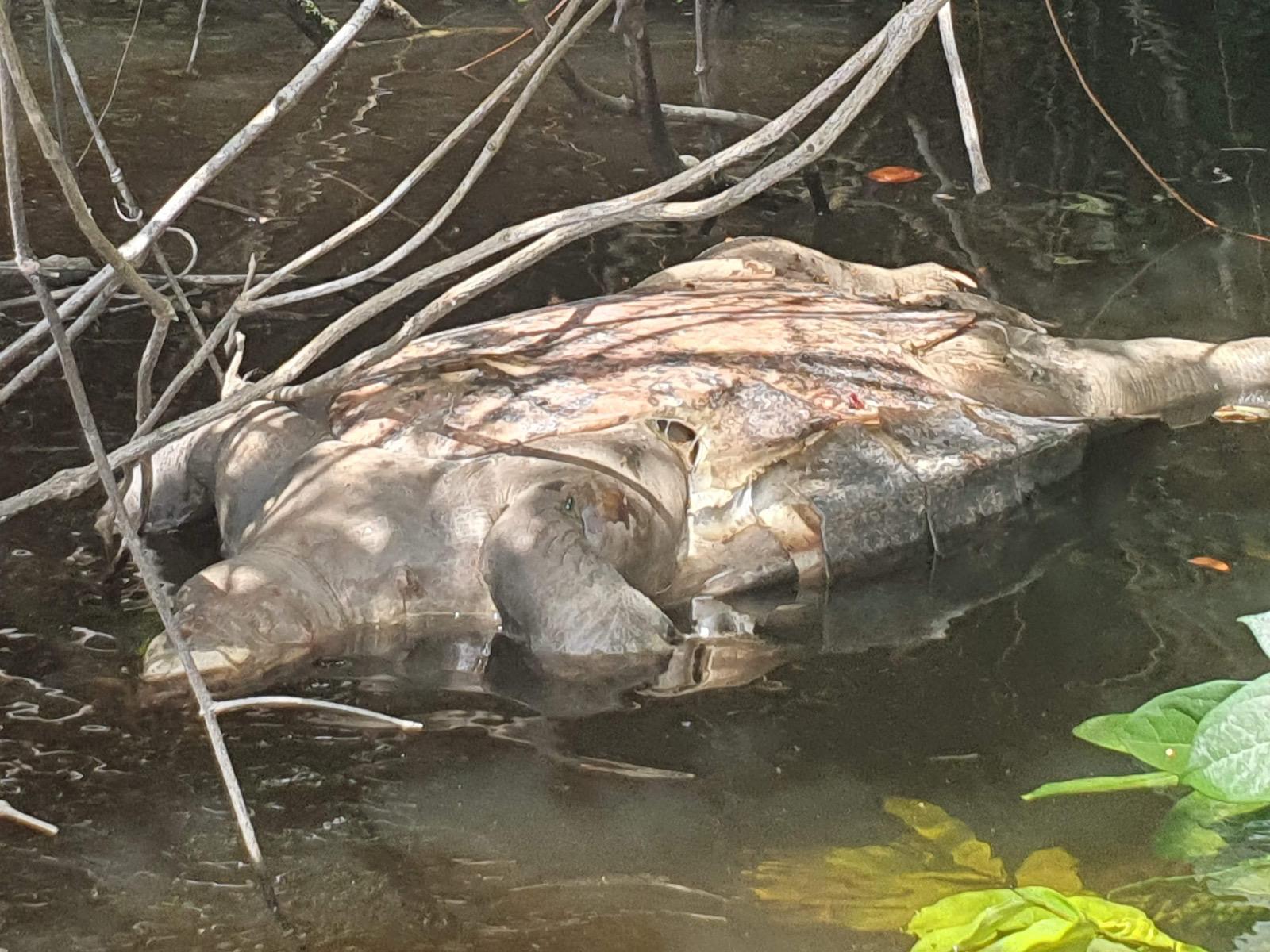
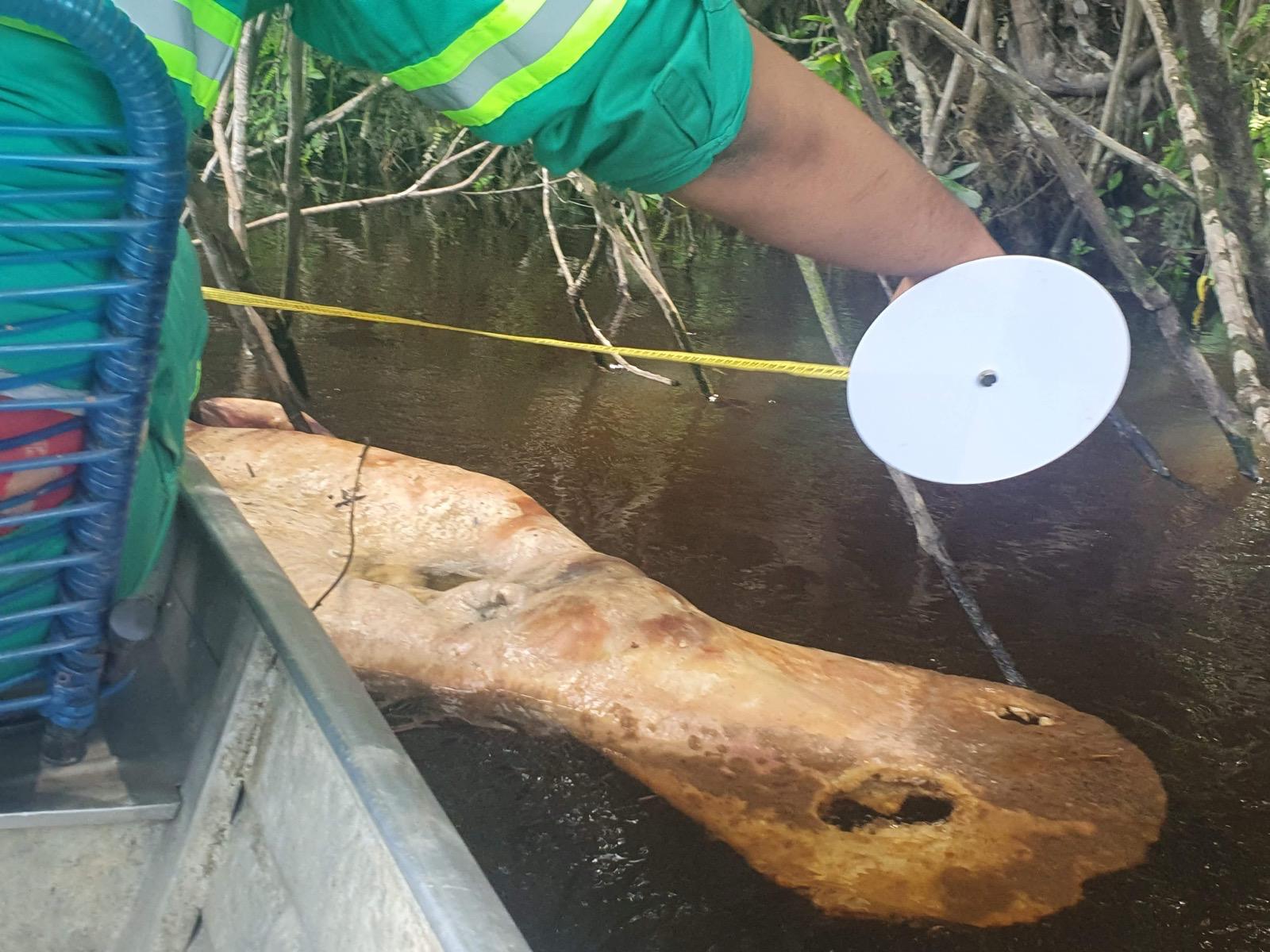
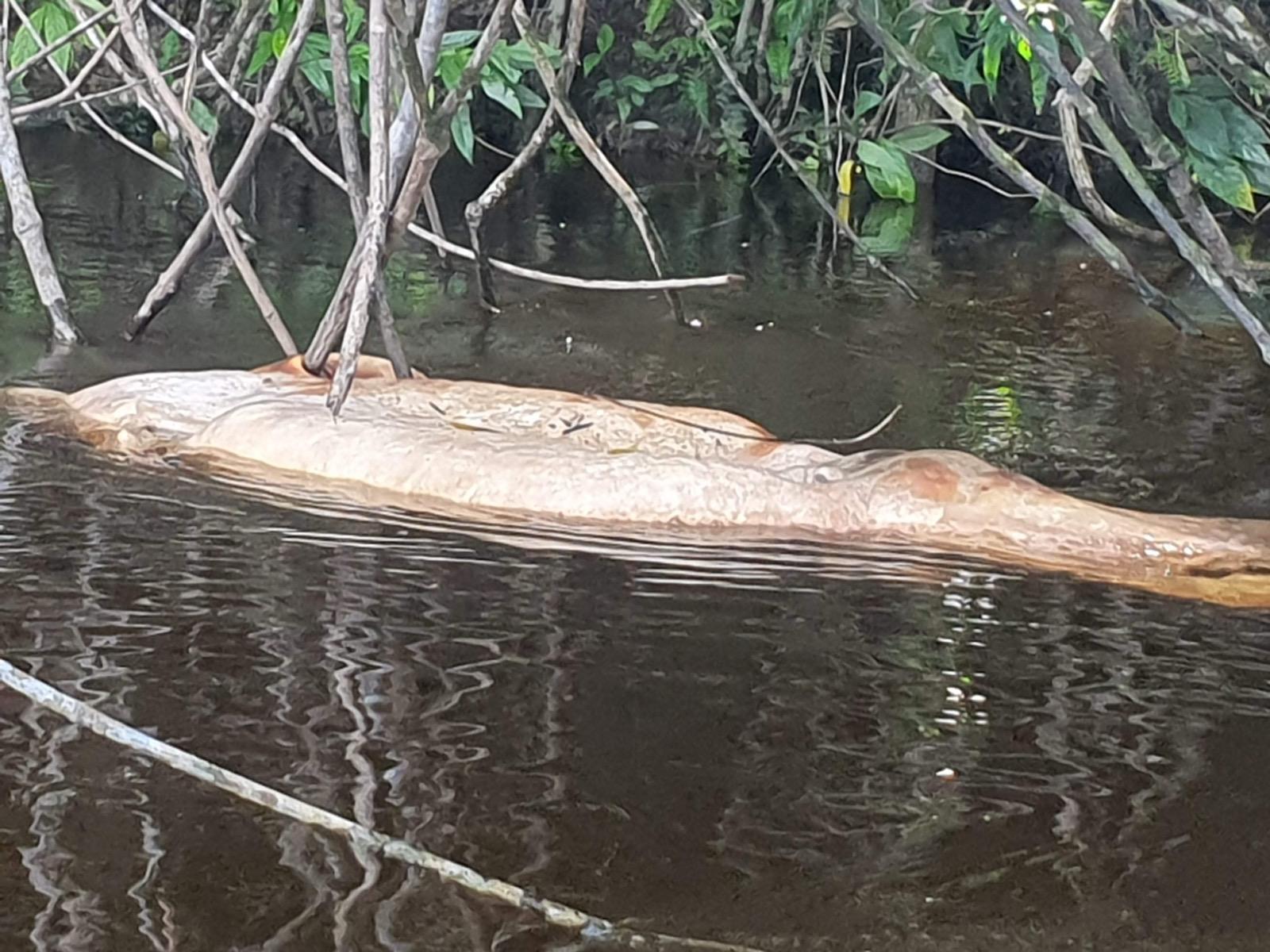
The Kinja say they saw a yellow-orange pollution stain on the river, along with foam and a foul smell. Villagers also say they found dead turtles and fish, and began suffering from diarrhea and itchy skin.

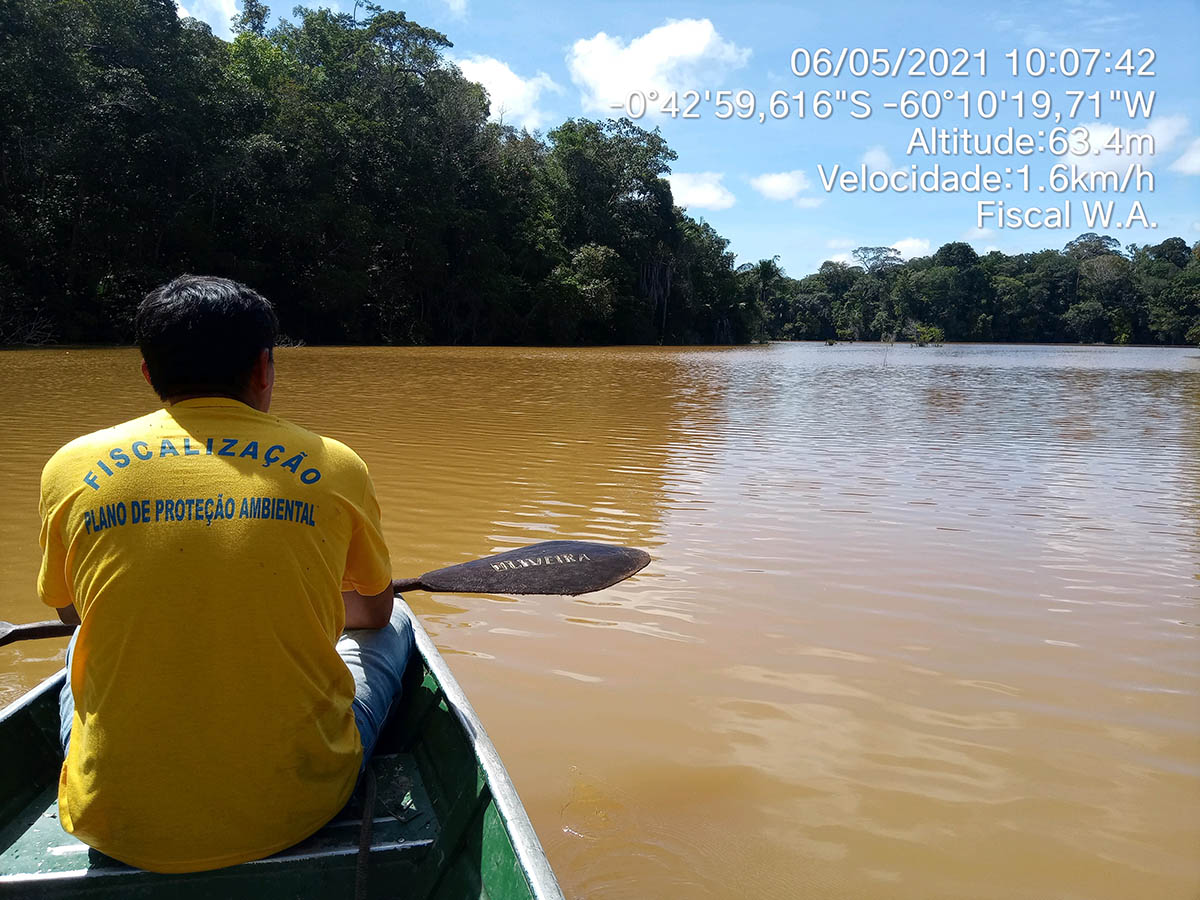
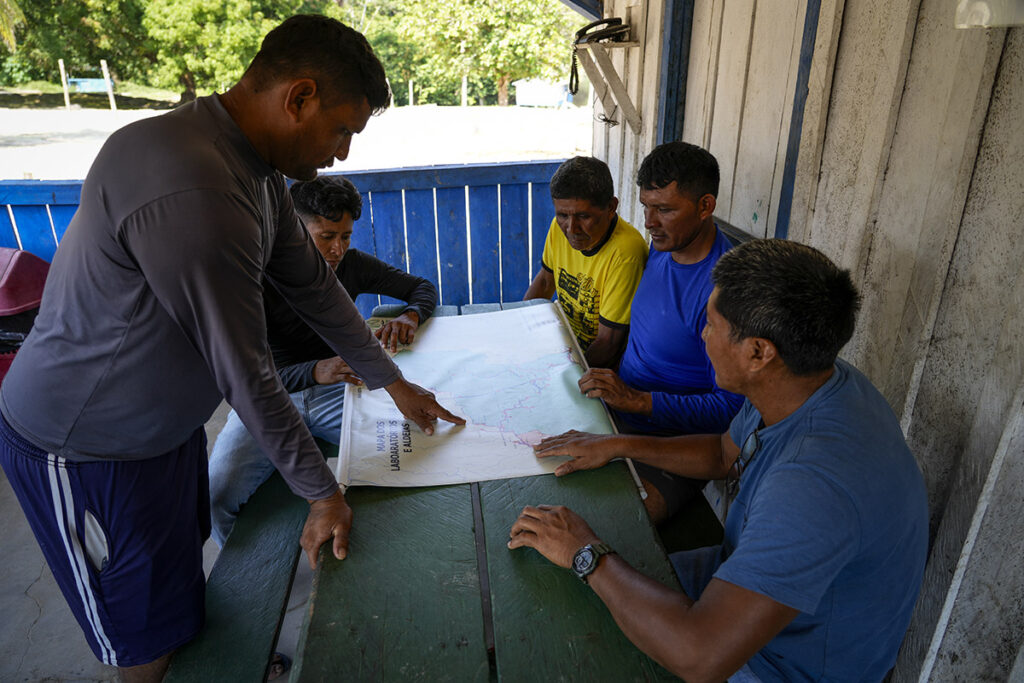
After this incident, the Indigenous communities organized their own fact-finding missions along the river and sent letters to the MPF listing their concerns. Their connection to authorities was made through the Waimiri Atroari Ethno-Environmental Protection Front, a dedicated FUNAI working group (images below).

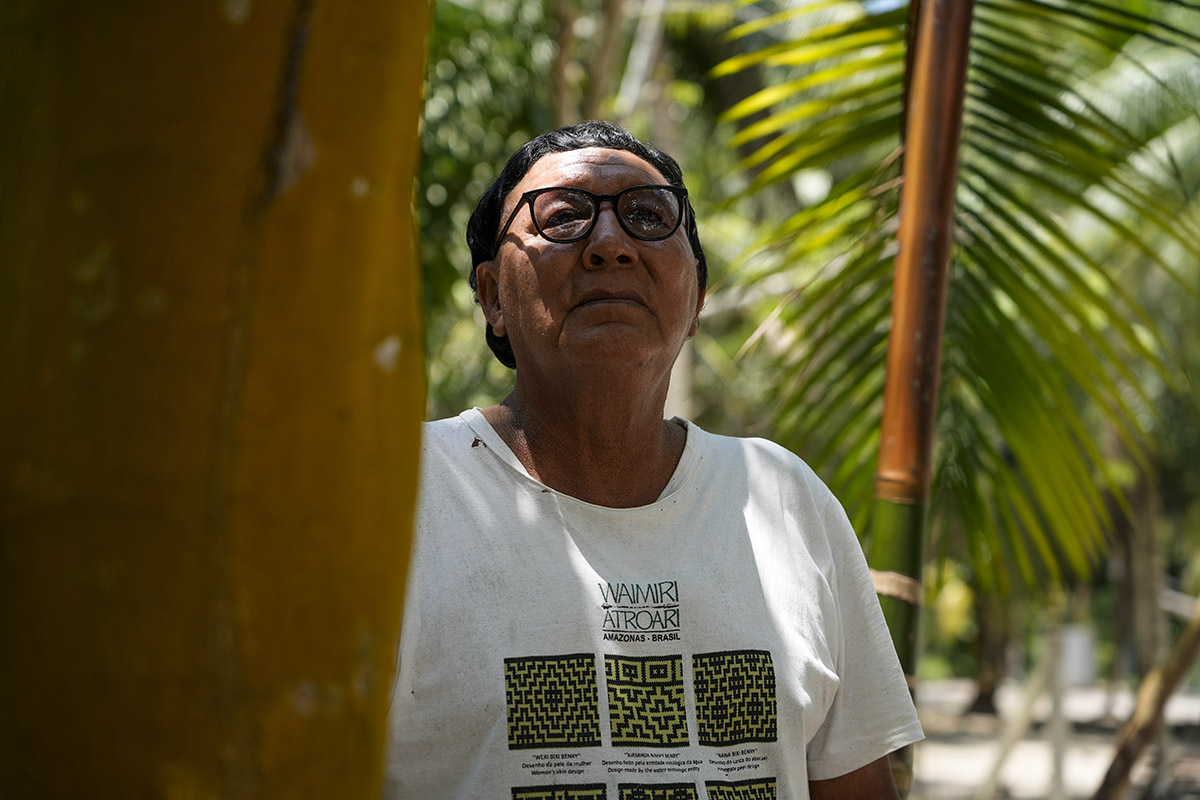
“I saw this pollution in the river,” says Pera Atroari from Karypa Village, near the boundaries of the Indigenous land and the mine. In 2021, she and other women searching for buriti fruit came across dead fish. “I was very scared. If we are eating this fish, are we really healthy?” she wonders.

That year, the Prosecutor’s Office in Amazonas opened two civil inquiries to investigate possible contamination and recommended suspending waste discharge into the relevant dams and structures.

Taboca was eventually fined US$381,000 (2 million Brazilian reals) by Ipaam (the Amazonas Environmental Protection Institute) for “causing environmental pollution in water bodies.”

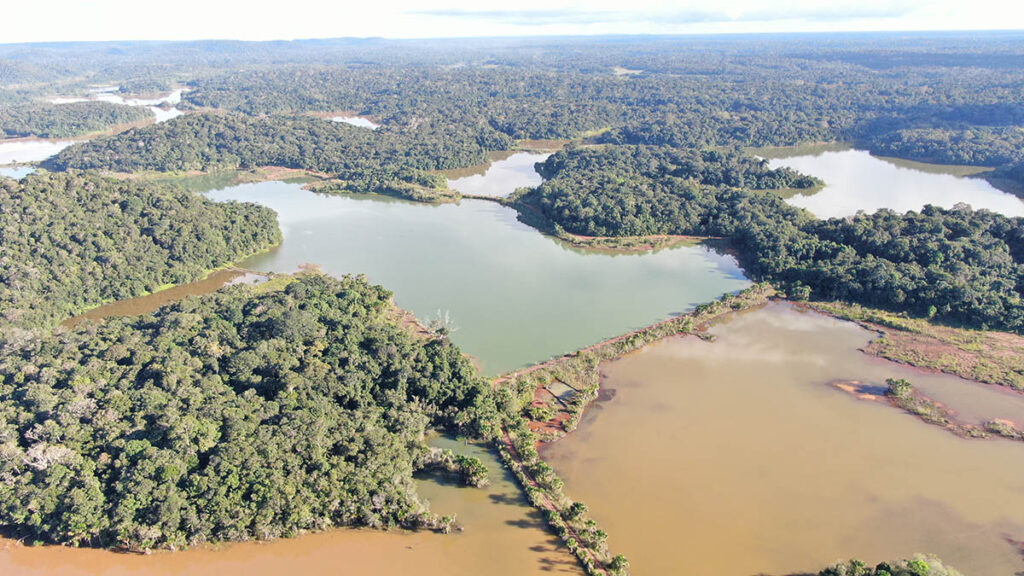
In addition to the open pits where mineral extraction takes place, the Pitinga mine has decantation tanks — structures that were mined in the past and are now covered with water. (Photo: ACWA)

The company also signed a cooperation agreement with the Indigenous people to build artesian wells in the villages and improve food supplies. “It was an emergency, improvised response for people who could no longer eat,” said Harilson Araújo, a lawyer for the Waimiri Atroari Program, which advises the communities.

But in 2024, the Federal Prosecutor’s Office changed course, adopting Taboca’s explanation and a report from Ipaam and ANM (National Mining Agency), which claimed the waste leak resulted from rains in the region, not the company’s actions.

Taboca reiterated to Repórter Brasil: “On that occasion, technical analyses—based on field inspections by the National Mining Agency and Ipaam—concluded that the events were caused exclusively by intense and atypical rainfall, with no connection to our operations.”

Following this, the inquiries were closed and the US$381,000 fine previously imposed by Ipaam was revoked.

A year later, the controversy reignited; Aqua Viridi completed an independent analysis commissioned by the Indigenous association—but paid for by Taboca. Community members, long skeptical of the mining company’s explanations, demanded an impartial probe into the river’s condition.

With the new chemical results, the Federal Public Prosecutor’s Office relaunched its investigation. “Mining puts tremendous pressure on already vulnerable communities,” says André Porreca Ferreira Cunha, the MPF prosecutor now leading the inquiry into possible environmental damage. “There was contamination, that’s undeniable. I am now investigating whether it can be tied to the company’s actions,” he adds.

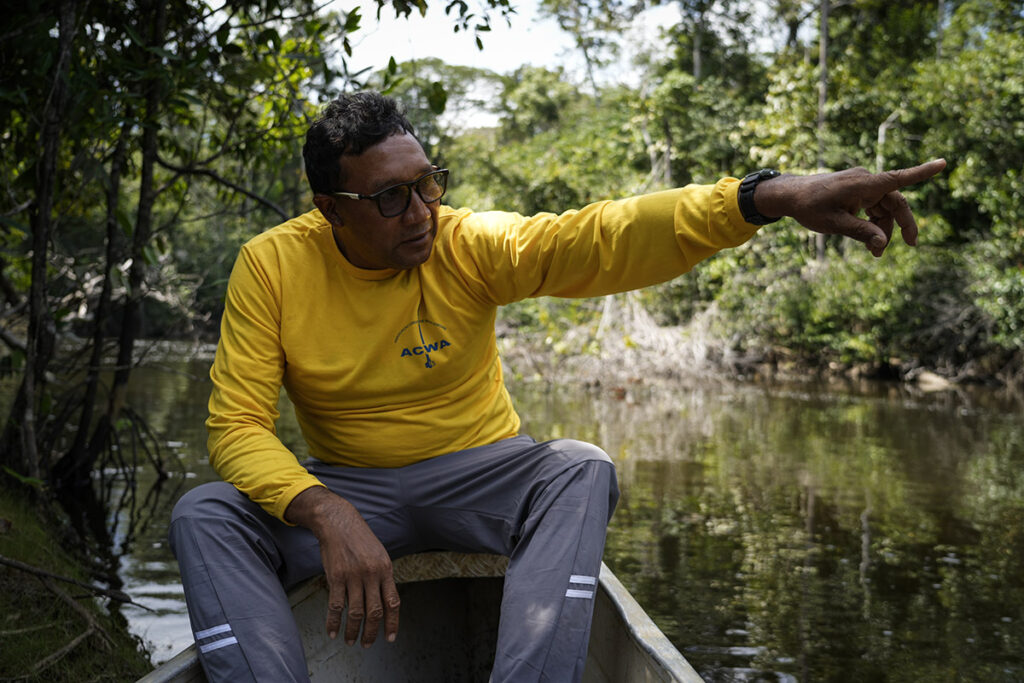
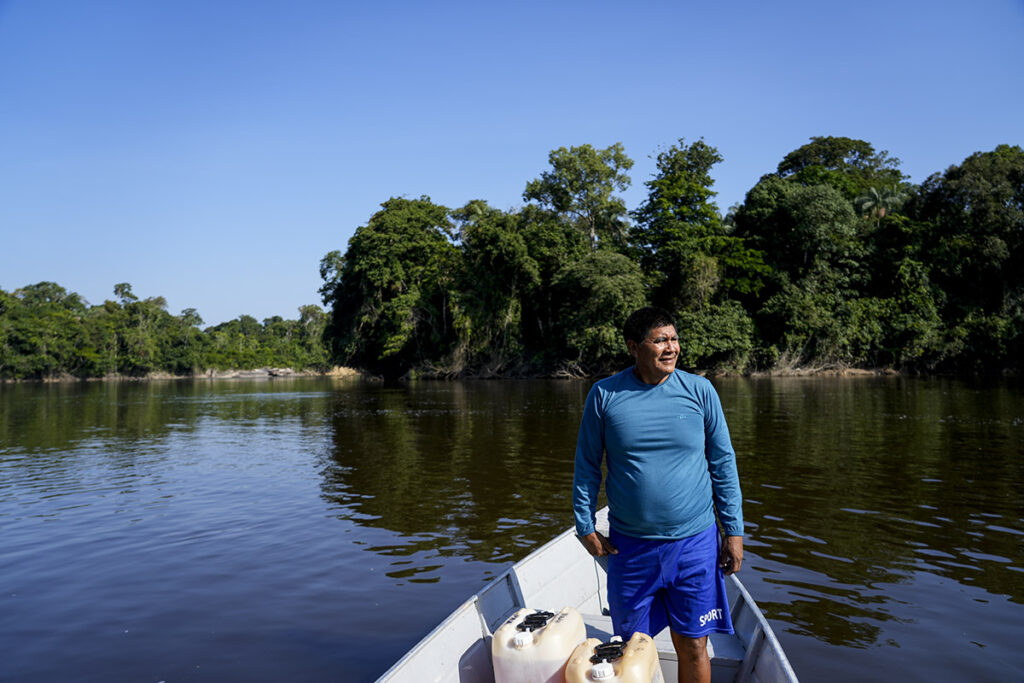
Pollution reached as far as Alalaú village, more than 100 km from the Pitinga mine. Concerned, the Kinja carried out a series of expeditions to find the source of the contamination. (Photo: Fernando Martinho/Repórter Brasil)

Report finds heavy metals in areas directly affected by mining.

Aqua Viridi’s analysis, which revived legal proceedings, found the most severe contamination in an area directly adjacent to Taboca’s industrial site on the border of the Indigenous land.

Investigators found critically high levels of lead and zinc in the sediments of the Tiaraju stream—a waterway that cuts through the mining plant before entering the Alalaú River inside Waimiri Atroari land. The report also documented excessive arsenic, cadmium, iron, aluminum, and manganese—amounts sufficient to induce “environmental risk.”

“We want to know what’s happening. It’s dangerous, because [the stream] enters our river—[the contamination] is within our borders, too,” says Sanapyty Atroari, one of the Waimiri Atroari leaders.

Lead is especially hazardous. The World Health Organization says exposure is safe at no level. The element was also detected, though in smaller amounts, in the Alalaú River on the Indigenous land—along with arsenic, manganese, cadmium, iron, and aluminum.

Indigenous people are avoiding drinking water from the river. Many also report visible changes in the fish, which, elder Akynamy notes, have become “thinner, paler, and more yellowish.” “The fish will disappear. And if the fish disappear, so will our people,” she warns.

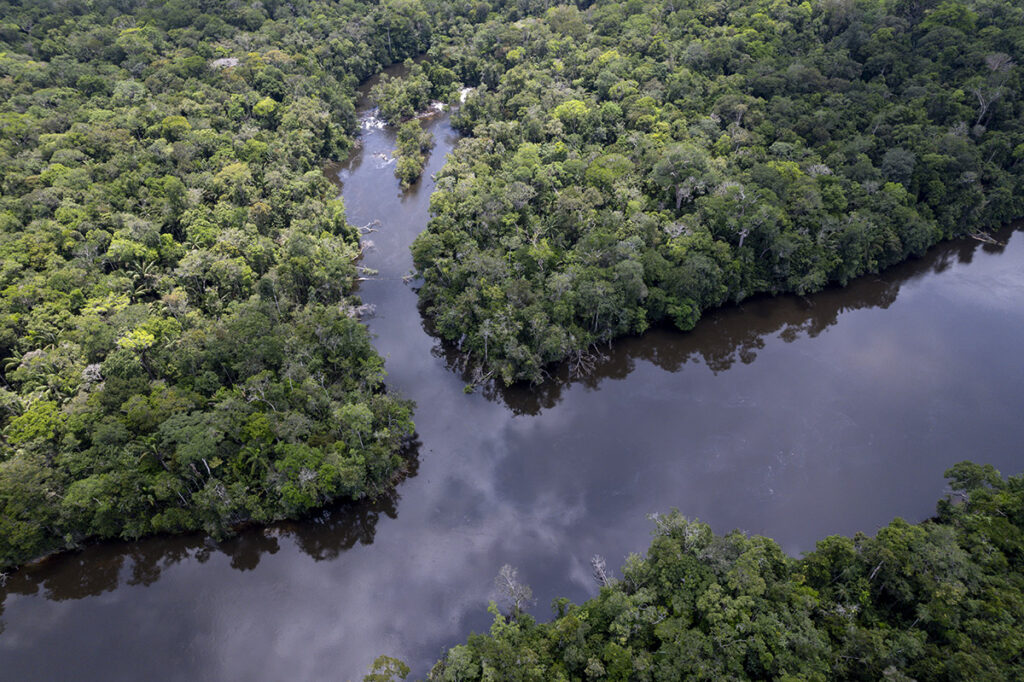
Aerial view of the confluence of the Alalaú River and the Tiaraju stream, a tributary of the Alalaú. The Tiaraju stream flows through Taboca’s Pitinga mining site. (Photo: Fernando Martinho/Repórter Brasil)
The Tiaraju stream runs through Taboca’s mining complex and flows into the Alalaú, the main river of the Indigenous Territory: “The water looked different, very dirty and with a bad smell,” Sanapyty said. (Photo: Fernando Martinho/Repórter Brasil)

The Aqua Viridi study concluded there is a “probable” link between mining and the contamination by heavy metals but stressed that further work is needed to pinpoint their precise source.

But to Miguel Felippe, a professor at the Federal University of Juiz de Fora (UFJF), there is no doubt. “It’s very clear the mining complex is contaminating the watercourses,” the hydrogeomorphology specialist says.

“The dams face Indigenous land. When it rains and they overflow, the watercourses are affected—polluting the drainage network,” he explains.

The “tin road” was built by Mineração Taboca to transport its production. (Photo: Fernando Martinho/Repórter Brasil)

Indigenous people report that the pollution stain becomes most visible during the rainy season, which lasts from December to May. “When the rains come, we are at greater risk,” says Watximiri Atroari, an Indigenous health agent who has worked locally for over a decade.

Mineração Taboca told Repórter Brasil that “the new reports remain under in-depth technical review and that inconsistencies in the raw data mean clear conclusions cannot yet be drawn.”

Aqua Viridi also found mercury in eight of the 29 fish species studied. Used in illegal gold mining, mercury can persist in the environment for years.

Even so, Taboca denies any responsibility for the mercury in the river, insisting it “does not use nor has ever used mercury at any stage of its operations,” according to an official release.

The company also cited an independent scientific report “whose preliminary results suggest that naturally occurring mercury in Amazonian soils is responsible for the contamination.” Read the statement and access the full study.

Taboca emphasized that it manages the disposal of its materials “in accordance with current environmental regulations,” and “employs ongoing environmental monitoring through independent, accredited consultants, meeting all required legal standards.”

'Toxic waste adds a new layer of health risks,' says physician

The Waimiri Atroari Indigenous Land comprises about 95 villages; at least 25 rely directly on the Alalaú River. The mere possibility of contamination has sparked anxiety across the territory. “I don’t want to drink this water—and you [non-Indigenous people] don’t drink it either. We’re the same; no one wants polluted water,” says Arybehiri, of Arykawa Village.

Establishing a direct association between low-dose, long-term exposure to heavy metals in water and illness among Indigenous peoples is not a simple task.

“While mining persists, so too does the potential for chronic exposure to hazardous substances,” says biologist Francco Antônio Lima, a public health expert at the Oswaldo Cruz Foundation (Fiocruz).

Dr. Carmen Fróes, at the Federal University of Rio de Janeiro (UFRJ), notes that such exposure does not always cause illnesses like cancer. “It can affect the developmental capacity of those populations. Toxic waste is an additional risk factor to health,” she says.

Local water and fish can serve as direct pathways for contamination, but experts interviewed for this report emphasize that mining activity itself poses additional risks.

While substances like lead, arsenic, and zinc are not used to extract cassiterite—the way mercury is for gold—they are naturally present in bedrock. Once disturbed during mining, these metals, previously locked underground, can be released into the environment.

“This region is defined by mining cassiterite and tantalite, whose extraction and processing shake loose and surface rocks rich in heavy metals,” states the Aqua Viridi report.

UFJF’s Professor Miguel Felippe reaches a similar conclusion: “Sediments gradually release these compounds, making the threat to people constant over time,” he says.

The Waimiri Atroari people are demanding a response to a problem that has plagued them for 40 years. Their leader, Warakaxi Atroari, raised alarms about pollution as early as 1990: “Mineração Taboca is contaminating the river—does it want to eliminate us?” he asked at a University of Amazonas conference debating the impact of large industrial operations on Indigenous communities.

More than four decades later, this concern is more pressing than ever. “I’m kinja. I need clean water not just for myself, but for all the bahinja—my children and grandchildren. We must find a way forward,” Warakaxi concludes.
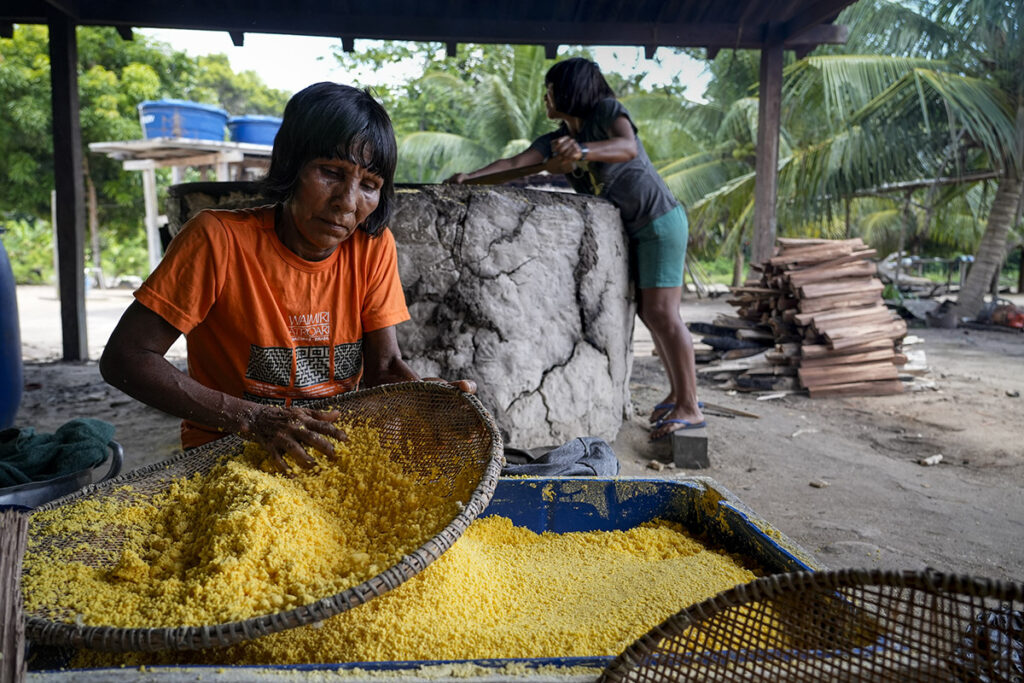
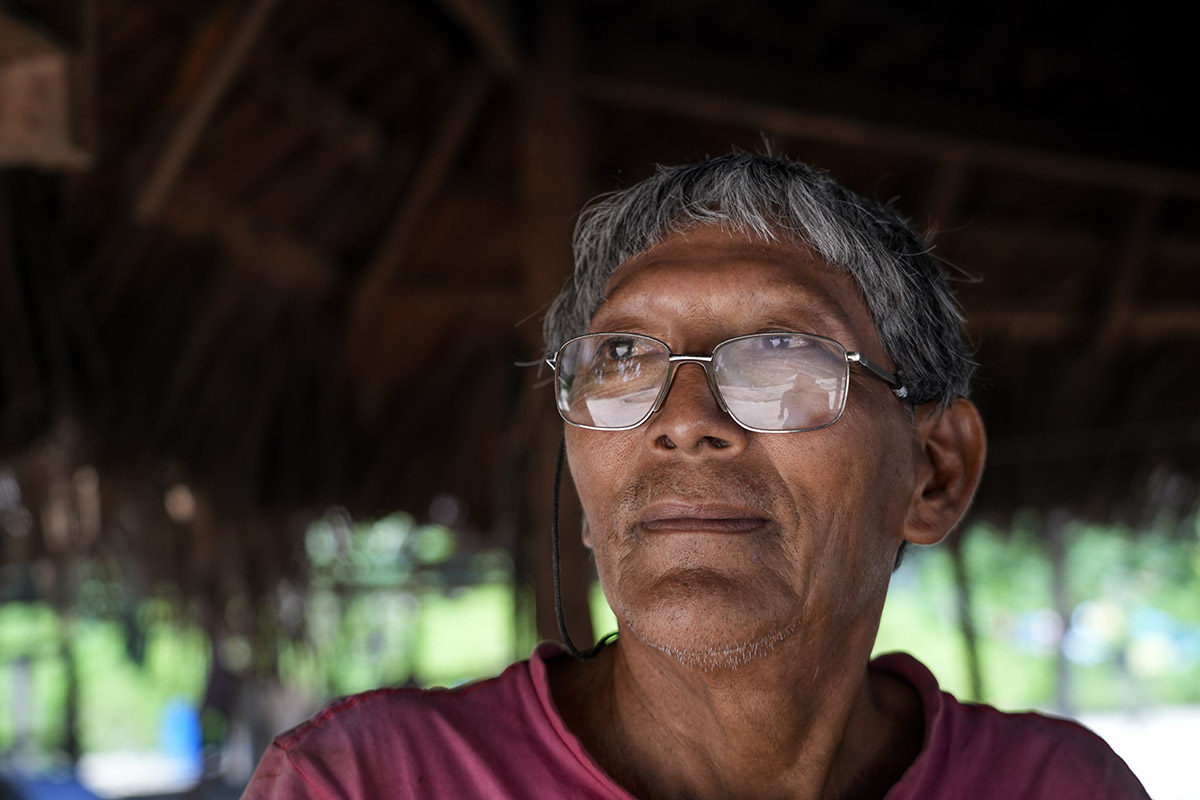
"We are from here, this is where our history lies, especially on the Alalaú river," says Warakaxi Atroari. (Photo: Fernando Martinho/ Repórter Brasil)

This report was supported by the Rainforest Investigations Network, from the Pulitzer Center. Learn more.

Apoio Pulitzer Center

Leia também

APOIE

A REPÓRTER BRASIL

Sua contribuição permite que a gente continue revelando o que muita gente faz de tudo para esconder

LEIA TAMBÉM

Assine nossa newsletter!

Receba o conteúdo da Repórter Brasil direto na sua caixa de email.
Assine nossa newsletter.