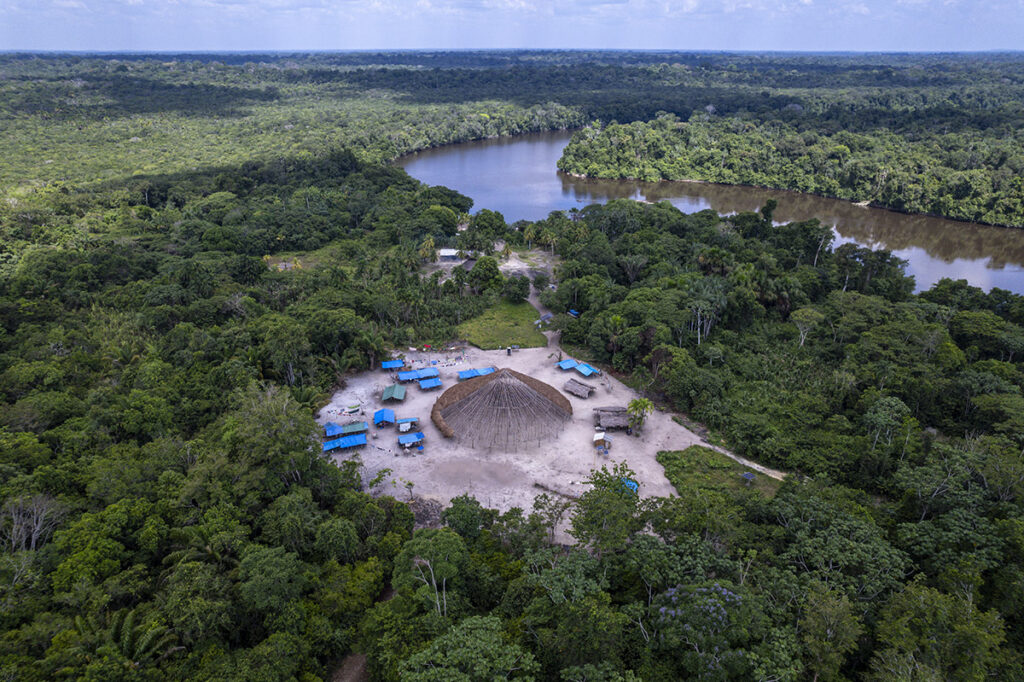

TIN EXTRACTED by a Brazilian mining firm next to an Indigenous territory in the Amazon rainforest has reached the supply chains of Tesla—run by billionaire Elon Musk—and Toyota in the United States. Mineração Taboca, now controlled by a Chinese state-owned group, is under investigation by the Federal Public Prosecutor’s Office in Brazil for possible pollution of a river in the Waimiri Atroari Indigenous Land in Amazonas state.
A stream feeding the Alalaú River—the primary waterway in the territory—has reportedly been contaminated with lead, arsenic, and other hazardous substances, according to a chemical analysis sent by the National Foundation for Indigenous Peoples (Funai) to prosecutors in Amazonas.
The water and sediment analysis prompted prosecutors to resume an investigation—ongoing for five years—into possible links between mining operations and pollution in the territory.
“There was contamination, that’s undeniable. I need to investigate whether there is a causal link between the company’s activity and these events,” says André Porreca Ferreira Cunha, an MPF-AM prosecutor.
In a statement to Repórter Brasil, Taboca said there is “no evidence to indicate a causal link” between the contamination and the company’s operations. Taboca also questioned the methodology behind the chemical analysis report, describing “gaps that compromise the reproducibility of the information, as well as technical inconsistencies, which require further examination before a definitive conclusion can be reached.” See details below and the full statement here.
Company also approved as supplier to major tech companies
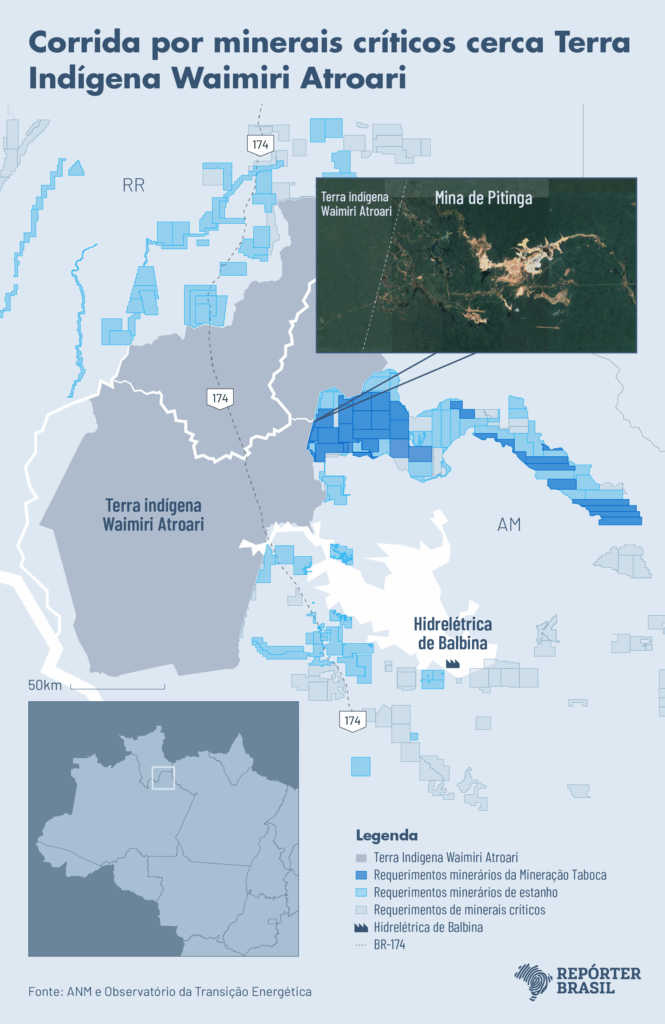
Taboca, Brazil’s largest producer of refined tin, has operated the Pitinga Mine since 1982. This mine, one of the largest in the Amazon, borders the Indigenous territory.
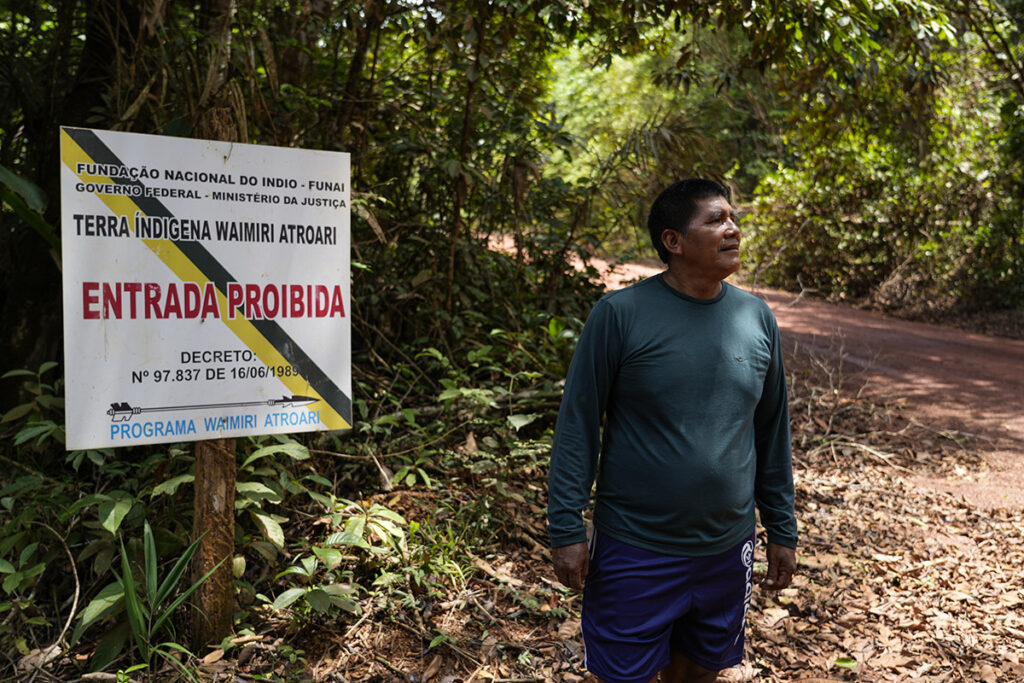
The Waimiri Atroari territory was identified in 1971 and then included the land now mined by the company. In 1981, however, a presidential decree removed 526,000 hectares from the Indigenous territory to allow for mineral extraction. The remaining land’s protected status was officially ratified in 1989.
Over four decades in operation, Mineração Taboca has become a prominent global tin supplier. This metal, the ‘glue’ that holds electronic components together, produced exports estimated at US$271.32 million (R$1.4 billion) in 2024.
The company’s portfolio also includes niobium and tantalum, and these products are recognized in international markets, with responsible mining certifications. Taboca is approved as a supplier to major technology companies such as Amazon, Apple, Microsoft, Samsung and Nvidia, and has shipped metal alloys to automakers like Tesla and Toyota, as evidenced by customs records reviewed for this article.
Since the Federal Public Prosecutor’s probe began in May 2021, Taboca has made at least 515 shipments of tin, tantalum, and niobium products to companies in China, the United States, Spain, Morocco, Japan, and other countries.
These findings result from an investigation by Repórter Brasil, in partnership with the Pulitzer Center’s Rainforest Investigations Network, examining the impacts of mining on traditional peoples of the Amazon, with particular focus on minerals essential to the technology industry.
When the MPF’s investigation started, Taboca was owned by Peru’s Minsur. In 2024, a Chinese state-owned enterprise, China Nonferrous Metal Mining Group, acquired Taboca for US$340 million (R$1.9 billion at the time).
Repórter Brasil asked Taboca if it had informed customers, partners and investors about suspicions of water contamination at the Pitinga Mine. The company did not answer. The newsroom also contacted the Chinese state-owned firm, which had not responded by publication time.
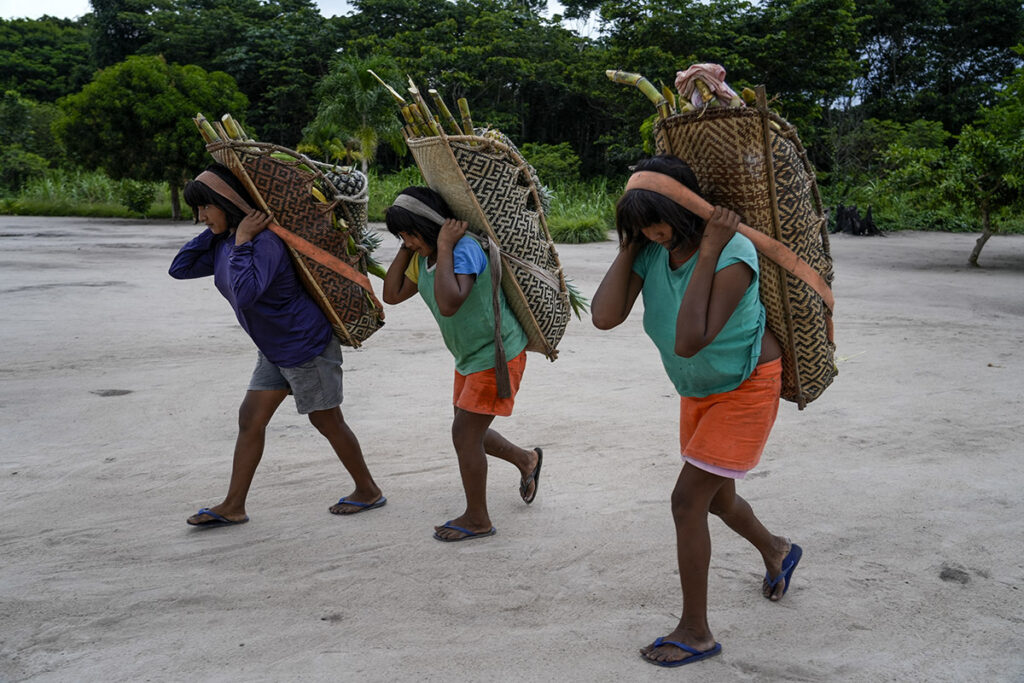
Repórter Brasil visited the Indigenous territory in October 2025 and spoke with 22 community members. They reported that river pollution has increased since March 2021, with dead fish and turtles appearing and visible stains in the water.
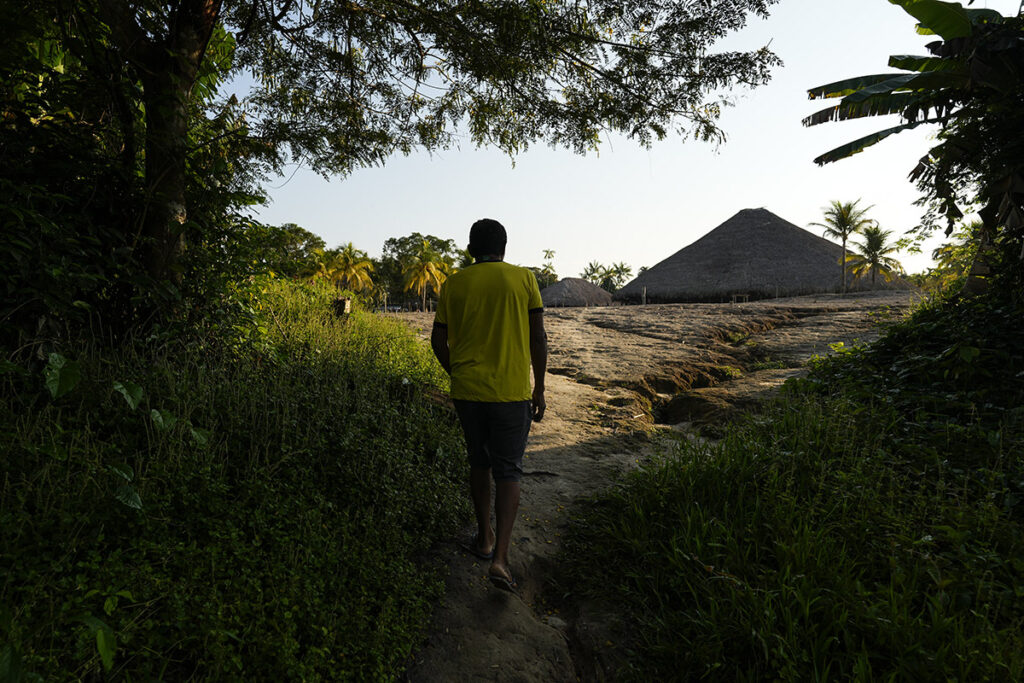
“It used to be clean, now it’s no good. I’m worried about how my grandson is going to eat if the river is polluted, contaminated,” laments Mee Atroari, an elder who lives in Teweri village.
In its response to Repórter Brasil regarding reports by Indigenous people of changes in water quality, Taboca wrote that the matter “has already been examined by the appropriate authorities, who expressly ruled out any relation with the company’s activities.” Read the full statement.
The company added that new Indigenous reports of suspected contamination in the Alalaú River “require detailed, ongoing technical studies, due to inconsistencies among primary data that preclude any definitive conclusion.”
Taboca also stated it maintains a relationship based on “dialog, respect and cooperation” with the Waimiri Atroari.
How tin sourced from the Amazon reaches Tesla’s factories
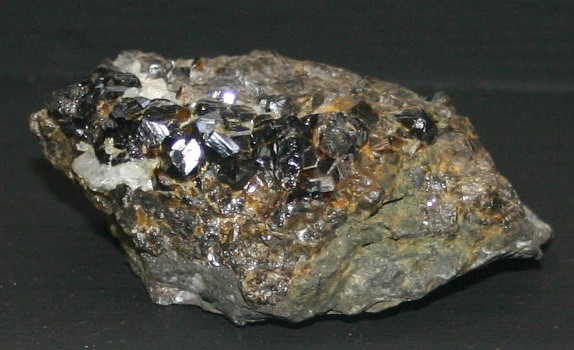
The route from tin to Tesla begins at the Pitinga Mine in Presidente Figueiredo, Amazonas, where cassiterite—tin’s ore—is extracted.
The ore is processed and refined at Taboca’s facility in Pirapora do Bom Jesus, São Paulo, where it is turned into metal alloys before being shipped from the port of Santos.
According to customs documents obtained by Repórter Brasil, in January 2023 a 75-ton shipment of tin ingots left Brazil for the port of Rotterdam in the Netherlands. Shipping records specify the date, product, quantity, and destination. The customer was U-Shin Slovakia S.R.O., an automotive parts manufacturer of locks, door handles, and control panels that was subsequently acquired by the Japanese conglomerate Minebea Mitsumi Inc.
Between March 2023 and November 2025, trade records suggest the company exported 17 shipments of electrical parts to Tesla in the United States. The goods left the port of Antwerp, Belgium, bound for Pennsylvania.
It is not possible to confirm whether the parts supplied to Tesla contained tin sourced from the Brazilian Amazon. However, the material entered the manufacturer’s production line in Slovakia and from there may have been incorporated into components shipped to the automaker and other clients.
Repórter Brasil asked U-Shin Slovakia if there are control mechanisms to trace whether Taboca’s tin was used in parts supplied to Tesla, but the company did not respond.
For Federal Prosecutor Fernando Merloto Soave, companies bear responsibility for the origin of the inputs throughout their supply chain. “Whether the industry is apparel or automotive, companies can face consequences for irregularities along their supply chains,” says Soave, who helps lead the probe into Taboca.
Tesla is a global technology leader with revenue of US$94.8 billion in 2025, producing everything from robots and batteries to solar panels and electric vehicles.
The human rights policy for Elon Musk’s company requires set standards from all supply chain participants, including indirect suppliers. Regarding Indigenous peoples, the policy states that suppliers are expected to “reduce any negative impacts on local communities, including environmental, social, cultural and other quality of life factors.”
Its code of conduct also addresses pollution: “emissions and discharges of pollutants, as well as the generation of waste, must be minimized or eliminated.”
Tesla was contacted via the email provided on its website, but did not respond. The company still has the opportunity to comment.
Amazonian tin reached Toyota in Japan and the US
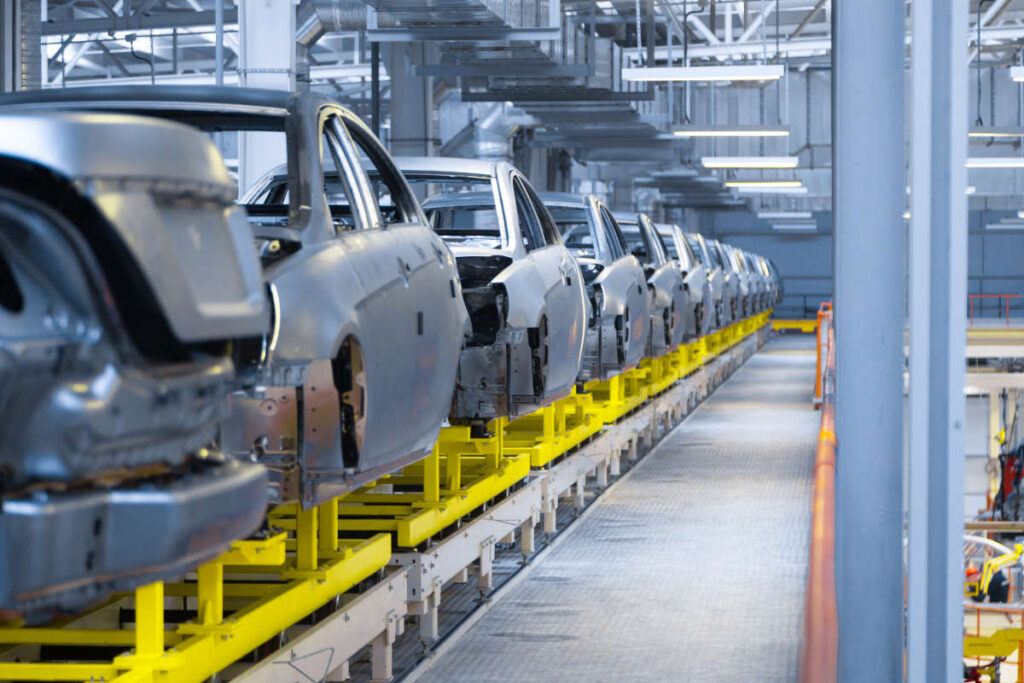
Customs records obtained by Repórter Brasil show that the Toyota group also purchased metal alloys from Mineração Taboca.
The Japanese automotive giant purchased at least 150 tons of tin directly from Taboca between May 2022 and July 2023—after the federal investigation had started.
The shipments left the port of Santos by ship for Yokohama, Japan, and Baltimore, Maryland, in the United States, where Toyota has a port facility.
Toyota’s “supplier sustainability guide” includes a dedicated section on chemical management. According to the document, suppliers must “comply with all relevant laws and regulations in each country and region and control chemical substances (for example, through elimination or reduction of use).” Any violation must be “reported immediately,” according to the company’s code of conduct.
Repórter Brasil contacted Toyota by email in Brazil and abroad but received no reply.
Major tech companies include Mineração Taboca in their supply chains
Tin extracted and refined by Taboca is valued on the international market and is registered on the London Metal Exchange under the Mamoré brand. The company’s tin and tantalum are classified as “compliant” under the Responsible Minerals Initiative, a global effort that brings together companies and organizations to promote responsible mining practices.
In October 2025, Taboca was also awarded the Tin Code Assurance certification, an international audit standard for tin producers.
Taboca’s name also appears on supplier lists from tech giants like Amazon, Apple, Microsoft, Samsung and Nvidia as a potential source of minerals.
Publicly traded companies in the United States are required to report to the Securities and Exchange Commission (SEC) regarding their potential suppliers of gold, tungsten, tantalum, and tin.
Known as “conflict minerals” due to their history of fueling violence, these substances require companies to submit annual conflict minerals reports. These disclosures are based on OECD (Organization for Economic Cooperation and Development) guidelines, which seek to “help companies respect human rights and avoid contributing to conflicts through their mineral sourcing practices.”
However, Taboca’s presence on these supplier lists does not mean its tin or tantalum was actually used in big tech firms’ products, nor does it verify any direct commercial relationship. Company reports themselves note reliance on information from their own suppliers, meaning minerals “may have been used” in the production chain.
All the technology companies were contacted by Repórter Brasil. Amazon stated it monitors both social and environmental risks tied to high-risk minerals like tin and tantalum, as part of its responsible minerals program.
“We will continue to engage with our suppliers and supply chain partners on responsible mineral sourcing mechanisms, including smelter auditing and certification mechanisms,” the company said. Read the full comment here.
As of publication time, the other major tech firms had not provided a response.
As investigations unfold, China seeks to double tin production in Brazil
Rising demand for minerals critical to the energy transition is increasing pressure on the Waimiri Atroari Indigenous Land. It is now surrounded by 62 mining applications for so-called critical minerals, according to tracking by the Energy Transition Observatory, a platform that monitors the impacts of renewable energy projects on protected lands and traditional communities. More than half—33—were registered over the past five years, from 2021 to 2025.
These applications were filed by 31 companies, of which only Mineração Taboca has projects in operation. In addition to tin, the companies are seeking other minerals associated with the energy transition, such as bauxite (for aluminum), copper, tantalum, and tungsten.
As mining pressures mount near the Indigenous land, Taboca plans to expand its activities in Amazonas. This year, the company announced a US$101.36 million (R$523 million) investment.
This strategy aligns with a wave of new public policies to boost extraction of critical minerals. In June 2025, Brazilian state development bank BNDES launched a call for proposals for mineral ventures linked to the “energy transition and decarbonization.” Mineração Taboca was among the 53 mining companies selected to receive a share of investments that could total up to US$968.99 million (R$5 billion).
Taboca’s planned growth reflects the latest surge of Chinese investment targeting mineral sites across Latin America. Its acquisition by state-owned CNMC less than two years ago is part of a broader trend: Chinese firms prioritizing mines already in operation.
“Relations between Latin America and China have become increasingly ‘mineralized’ as China’s demand for minerals continues to grow. And one of the reasons is that China is the undisputed leader of the energy transition,” explains Marco Gandarillas, senior researcher at Latinoamerica Sustentable (LAS), an organization studying Chinese investments in Latin America. In 2024, 35% of Brazil’s mineral exports—worth US$23.5 billion—were destined for China, according to LAS research.
“Chinese capital is diversifying throughout the mining sector, with critical minerals as a particular focus,” says geographer Luiz Jardim Wanderley, a professor at Fluminense Federal University (UFF).
Wanderley notes that China prefers to acquire established projects, referred to as “immediate assets,” which do not require lengthy economic feasibility studies or environmental licensing. “What has surprised us is the purchase of projects with extensive environmental liabilities—so-called ‘rotten assets,’ marked by serious environmental damage and conflict. Taboca is one of them,” he argues.
LAS’s Marco Gandarillas is also troubled by this trend. “The demand is simply for mineral resources. Companies are seeking raw materials, but extraction frequently has irreversible impacts on the environment,” he says. Gandarillas points to the exploitation of water resources, pollution of ecosystems, and conflicts with local communities as common side effects of such mining.
CNMC—Taboca’s state-owned Chinese parent—has issued guidelines on environmental protection. In its latest sustainability report, the company states that subsidiaries must control pollution, limit water and solid waste, and ensure best practices throughout mining, processing and refining. This document is from 2024, the year CNMC began the process of acquiring Taboca.
In other countries, the state-owned company has faced incidents that run counter to its stated environmental commitments. In Zambia, for example, a February 2025 leak of toxic tailings from one of its dams killed fish and harmed public health.
“How will Chinese capital behave in the Brazilian Amazon, particularly in its direct relations with Indigenous peoples? How will they act in sensitive areas?” asks Márcio Santilli, former president of FUNAI and of the NGO Instituto Socioambiental (ISA).
Repórter Brasil sought comment from CNMC but received no response. The company is still able to comment.
*with contributions from Fernanda Buffa and Ella Beiser, Pulitzer Center