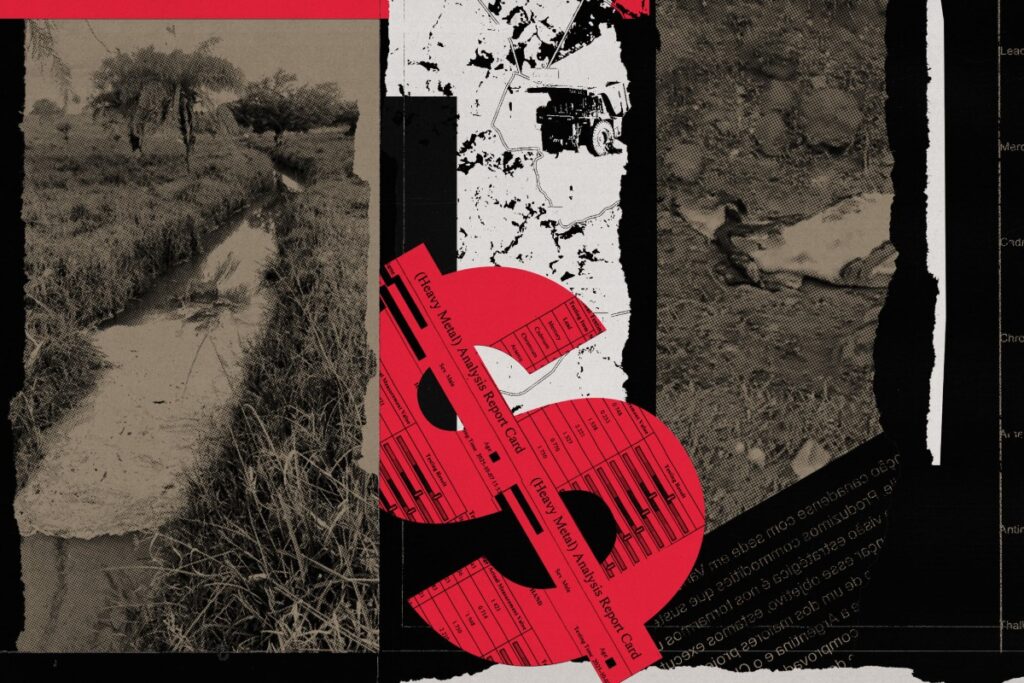
LUNDIN MINING, the Canadian multinational that controls the Chapada copper and gold mine in Goiás, central Brazil, linked the interest margins on two financing agreements to the achievement of social and environmental targets. Under this mechanism, the company could benefit from lower interest rates depending on its performance in areas such as reducing greenhouse gas emissions and engaging with local communities.
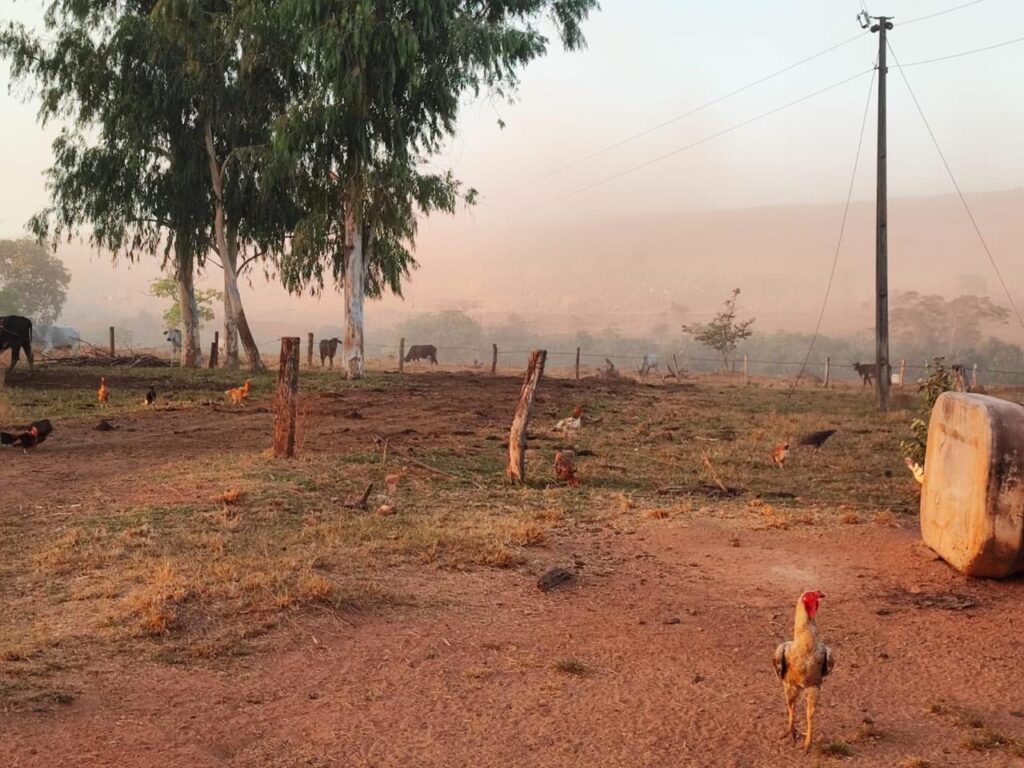
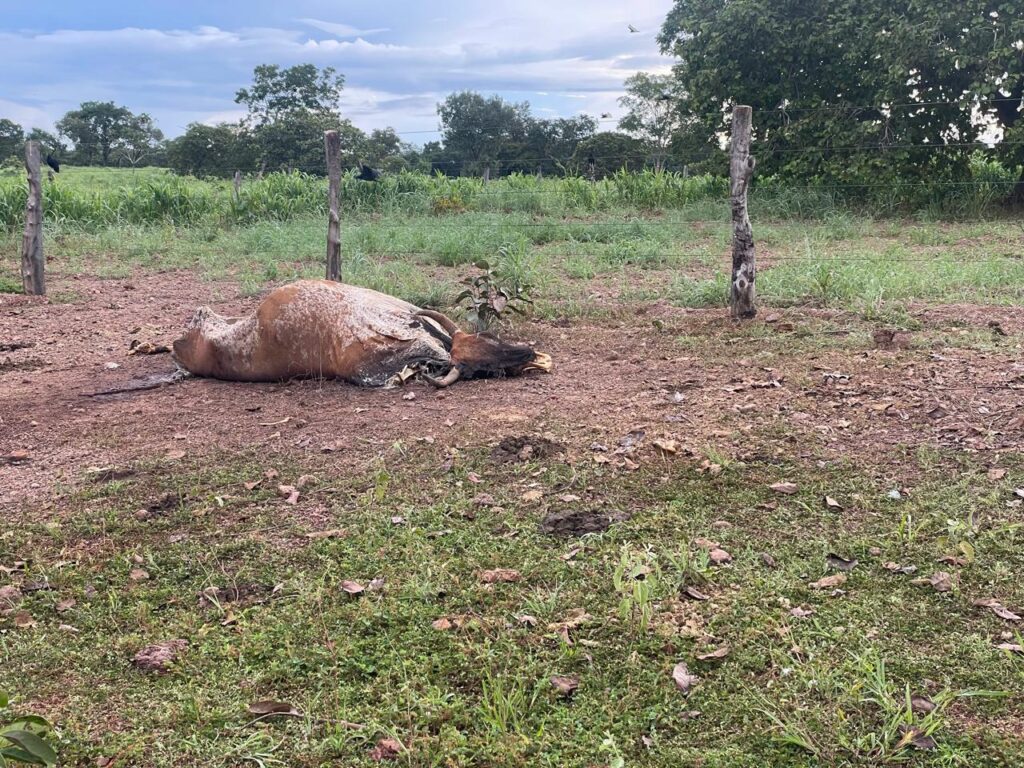
The initiative, structured in partnership with Canadian banks Scotiabank, Bank of Montreal and Canadian Imperial Bank of Commerce, as well as ING Capital, part of the Dutch financial group ING Group, stands in contrast to complaints from residents living near the mine about health problems and suspected heavy metal contamination.
The impacts of mining operations at the site, operated by Lundin Mining’s subsidiary Mineração Maracá, are the subject of two public civil lawsuits filed between August and September this year, as well as investigations by the Goiás State Public Prosecutor’s Office (MPGO) and the Federal Police (PF).
Read more: ‘Don’t our lives matter?’: residents near copper mine report contamination in Brazil
The sustainability-linked financing arrangements, announced by Lundin Mining in May 2024, comprised two transactions totaling US$2.55 billion: a US$1.75 billion credit facility scheduled to mature in April 2029 and an US$800 million loan, repaid in April 2025. Working with the banks, the mining company established social and environmental performance indicators and targets that would influence the interest rates charged on the financing.
The link between interest rates and sustainability targets remained part of the terms of the US$1.75 billion credit facility as of December 2025, according to the multinational’s financial statements. The document states that the interest charged included a variable margin ranging from 1.4% to 2.55% per year, depending on both the company’s level of indebtedness and its achievement of social and environmental targets. The report does not specify how much weight was assigned to each factor.
In February 2026, the mining company announced an expansion of the same credit facility, increasing its initial availability to US$2.25 billion, with the possibility of expansion to up to US$4.5 billion and maturity in 2031. The financing involves a total of 17 financial institutions, including the four that helped structure the original mechanism. The announcement regarding the renegotiated facility does not clarify whether the link between interest rates and social and environmental targets was maintained.
Repórter Brasil asked Lundin Mining whether meeting social and environmental targets had reduced the interest rates on its financing since 2024, what financial benefits the company had obtained, and whether the mechanism linking interest rates to those targets remained in effect. The mining company stated that the mechanism is “no longer in effect,” without answering the other questions or specifying when it had ceased to apply.
Lundin Mining and the financial institutions Scotiabank, Bank of Montreal, Canadian Imperial Bank of Commerce and ING Capital LLC were also asked about the criteria used to assess compliance with social and environmental targets and how Chapada Mine’s performance was taken into account in the indicators linked to the financing.
The Canadian multinational responded that “the results of the social indicators are not public.” According to the statement sent to Repórter Brasil, these indicators are “based on surveys conducted by an independent institution that assess the level of trust and acceptance among communities regarding Chapada, making it possible to monitor changes in these perceptions and guide continuous improvements.” The mining company also stated that “at Chapada Mine, historical data indicate a favorable perception among surrounding communities regarding the presence and activities of our operation.”
Regarding the project’s potential impacts, Lundin Mining stated that Mineração Maracá is “committed to the health, safety and well-being of neighboring communities, as well as to environmental protection” and that it “has been cooperating” with regulatory and investigative authorities.
Of the financial institutions contacted, only the Dutch ING Group responded to the reporters’ questions. The institution said it does not comment on matters involving specific clients and that, when it receives information about potential social and environmental problems, it seeks to discuss them with its clients and encourage improvements in their practices. (Read the full responses here.)
Mechanism requires transparency
The public documents reviewed by the reporters do not provide sufficient detail to verify whether the targets were met or what financial effects they had.
In its 2024 Sustainability Report, Lundin Mining confirms that one of the financing-linked targets concerned communities’ perceptions of its operations. Chapada Mine received a score of 3.52 on a scale of 1 to 5 for an indicator relating to community engagement and treatment. The document does not explain how this score influenced the assessment of target achievement and, consequently, the financial terms of the loans.
Asked about the results by Repórter Brasil, the company did not provide further details about the indicators. Its statement merely noted that “certain data in the 2024 Sustainability Report undergo independent verification and, like our financial statements, are independently audited.”
In its 2025 Sustainability Report, the multinational states that it achieved an improvement target for this indicator, without disclosing whether Chapada Mine contributed to the result or whether the performance led to lower interest rates. The same report records 29 complaints related to the operation in Alto Horizonte, mainly concerning dust generated by its activities.
According to Merel van der Mark, coordinator of the Forests & Finance Coalition, an alliance of civil society organizations that monitors the role of banks and investors in social and environmental violations, transparency regarding financing-linked targets, the methodologies used to assess them and the auditing processes is essential.
“The impacts affect the environment and society, so it is important to have transparency about the money being used to finance these impacts and the measures taken to prevent them,” she said.
Van der Mark argues that the effectiveness of such mechanisms also depends on the relationship between the costs of meeting the targets and the financial benefits offered to companies.
“If it is cheaper not to meet the target than to implement the measures needed to pay lower interest rates, the company obviously will not meet it,” she added.
Between awards and investigations
In 2025, the Chapada Mine produced 43,900 tons of copper and 61,300 ounces (approximately 1.91 tons) of gold, equivalent to 13% of the copper and 43% of the gold produced by Lundin Mining worldwide. That year, the Canadian company recorded revenue of US$4.1 billion and net income attributable to shareholders of US$1.28 billion. Meanwhile, the annual revenue of the Chapada Mine grew by 33.7%, reaching US$665.3 million.
While investigations into Chapada Mine’s potential social and environmental impacts continue on several fronts, Lundin Mining received the Brazilian Mining Good Practices Award from the Brazilian Mining Institute (IBRAM) on October 20. The company ranked first in two categories – Decarbonization and Energy Efficiency, and Tailings and Waste Rock Disposal – and was a finalist in the Process Safety category.
Repórter Brasil questioned IBRAM about granting the award to a company whose operations in Brazil are the subject of lawsuits over potential social and environmental damage, including a history of violations related to tailings management. The institute had not responded by the time of publication.
Manager of Norway’s sovereign wealth fund among shareholders
Lundin Mining is a publicly traded company whose shares are listed on the Toronto Stock Exchange in Canada and the Stockholm Stock Exchange in Sweden.
Its major shareholders include Nemesia, a Luxembourg-based holding company linked to the mining company’s founding family, which holds a 20.16% stake, according to a document released by Lundin Mining in May, and the US-based investment management firm Capital Research and Management Company, with 20.10%, according to data from a financial information platform accessed in November 2026.
Another minority shareholder in Lundin Mining is Norges Bank Investment Management, which manages Norway’s Government Pension Fund Global, the world’s largest sovereign wealth fund. As of June 30, 2026, the institution managed a stake representing 0.66% of Lundin Mining’s share capital and voting rights.
Repórter Brasil presented Norges Bank with information about the ongoing investigations involving Lundin Mining’s operations in Brazil. The institution did not comment on the specific case involving Mineração Maracá but stated that it expects the companies in which it invests to manage environmental and social risks appropriately. The bank said it monitors these risks and may take measures such as engaging with companies, exercising its voting rights and, ultimately, divesting its holdings. (Read the full statement here.)
Nemesia and Capital Research and Management Company did not respond to the reporters’ questions.