

IBAMA (Brazilian Institute of Environment and Renewable Natural Resources) has identified “signs of environmental violations” in a mining area near the territory of the Waimiri Atroari people, in Amazonas state.
Between April and May, Indigenous people said they found dead animals, including Amazon river dolphins and turtles, in rivers that run through the Indigenous territory. They suspect that waste from Mineração Taboca’s operations, Brazil’s largest producer of refined tin, may have polluted the waters in this part of the Amazon.
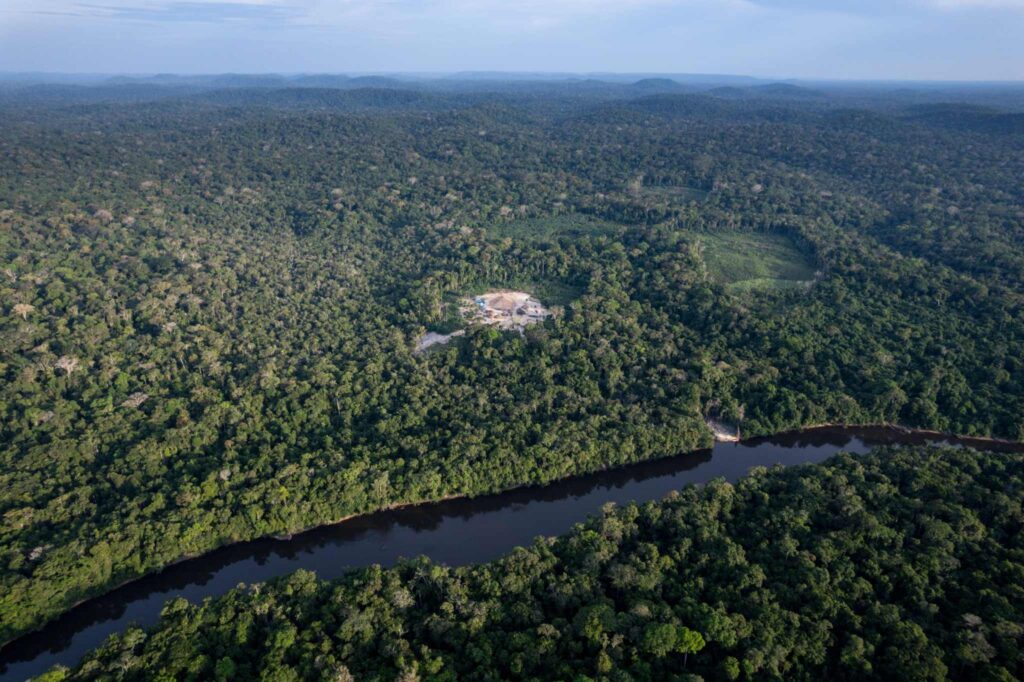
“Visual evidence obtained through remote sensing confirms that the mining front and the associated environmental degradation are advancing towards the immediate boundary of the Waimiri Atroari Indigenous Land,” states a document sent on 19 May to the Federal Prosecutor’s Office in Amazonas (MPF-AM), which is investigating the case.
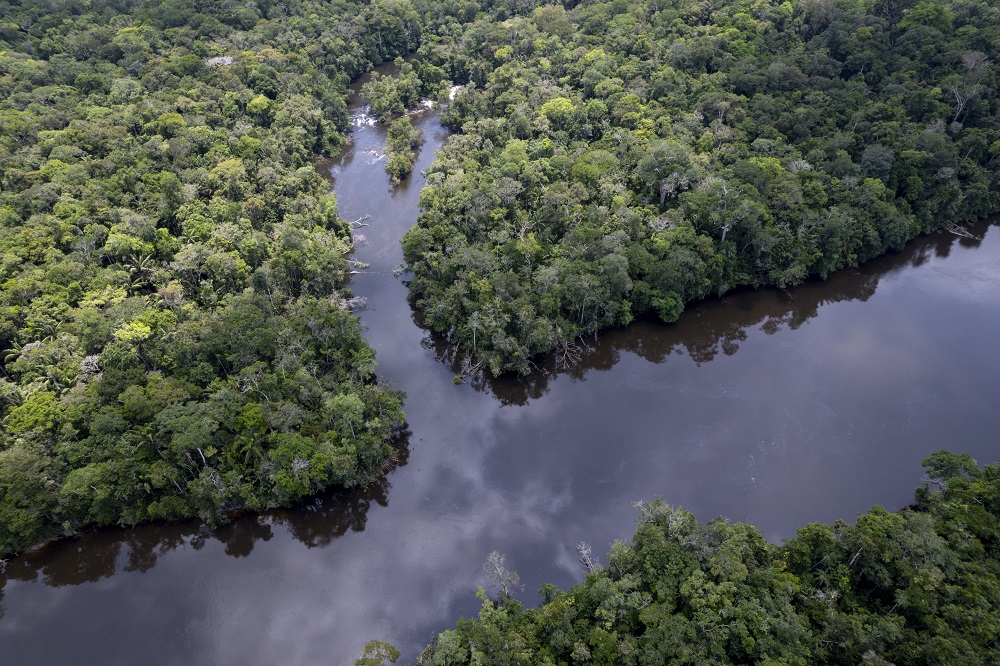
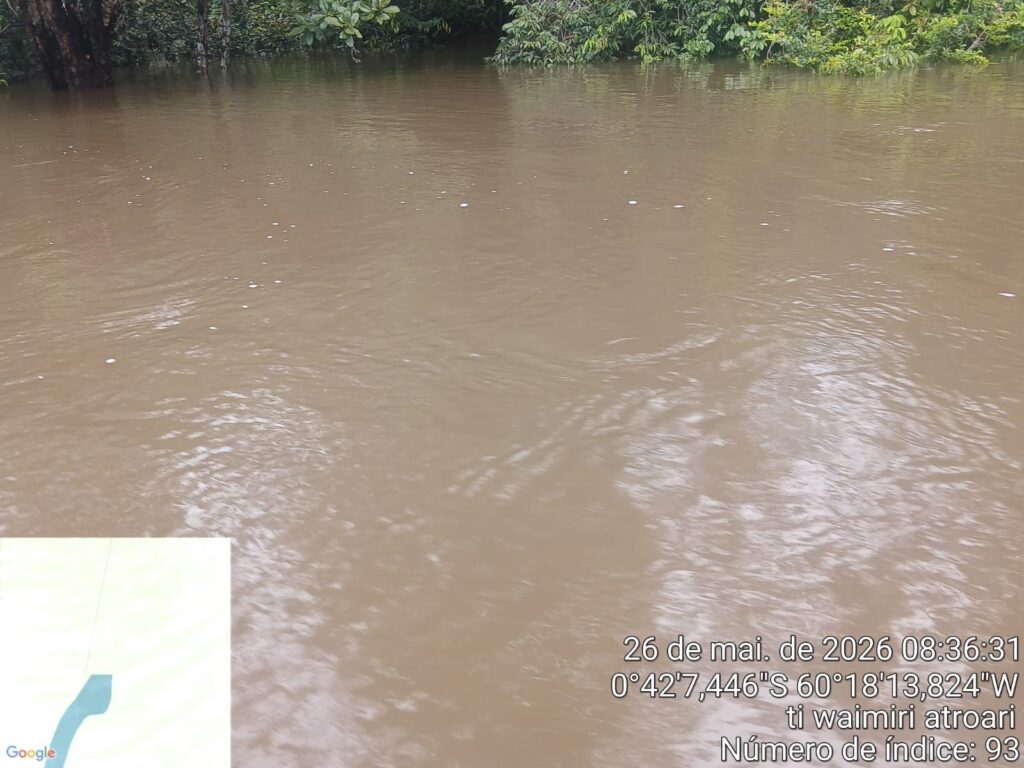
According to accounts from Indigenous people, large patches of mud with a “strong smell” and “muddy colour” reached, in early April, a stream that crosses the mining area and flows into the Alalaú — the main river in the territory of the kinja, as the Waimiri Atroari are known.
Weeks later, two Amazon river dolphins, two turtles and a stingray were found dead, according to photographic records made by the Indigenous people themselves. According to the kinja’s accounts, there were no signs of attacks by natural predators.
An official letter sent on 29 April by Funai (Brazil’s National Foundation of Indigenous Peoples) to the Federal Prosecutor’s Office also draws attention to the potential impact on the river dolphins.
“The death of an aquatic mammal of this size is a critical biological indicator that toxicity and/or physical changes in the water have reached levels that are intolerable for wildlife.” The document warns of an “environmental disaster of severe proportions”.
In a statement, Taboca’s press office said that, to date, the company had not been formally notified of any new investigative steps related to the proceeding being handled by the Federal Prosecutor’s Office. The mining company said that, “to the company’s knowledge, there is no causal or technical relationship between the reported events and its operations,” and reaffirmed its commitment to “full cooperation with the authorities to fully clarify the facts.” The full statement can be read at this link.
Operating in the region for more than 40 years, Taboca is now controlled by a Chinese state-owned company and is seeking to expand its extraction of critical minerals, such as cassiterite (the raw material used to produce tin) tantalum, niobium and rare earth elements, the latter still in the study phase.
The case saw new developments in late April. After becoming aware of the Indigenous people’s accounts, the Federal Prosecutor’s Office requested information from Ibama, the federal agency responsible for licensing and inspecting the operation.
The investigations are part of a civil inquiry by the Federal Prosecutor’s Office into whether Mineração Taboca may be responsible for the contamination of rivers in the territory of the Waimiri Atroari people. The inquiry has been ongoing since 2021, after heavy rainfall caused mining tailings containment structures to overflow.
The MPF investigation advanced last year after a chemical analysis detected traces of lead, arsenic and other toxic substances in the water of the stream that feeds into the Alalaú River.
The case was revealed by Repórter Brasil in the series“Kinja: the Indigenous people afraid of the river”, in partnership with the Rainforest Investigations Network (Pulitzer Center). The mining company disputes the technical reports indicating water contamination (read more below).
Operating in the region for more than 40 years, Taboca is currently controlled by a Chinese state-owned company and is seeking to expand its extraction of critical minerals, such as cassiterite (the raw material used to produce tin) tantalum, niobium and rare earth elements, the latter still in the study phase.
The case saw new developments in late April. After becoming aware of the Indigenous people’s accounts, the Federal Prosecutor’s Office in Amazonas requested information from Ibama, the federal agency responsible for licensing and inspecting the operation.
Ibama’s preliminary analysis states that “areas of exposed soil and mineral extraction visibly extend beyond the geographical boundaries of the mining permits”.
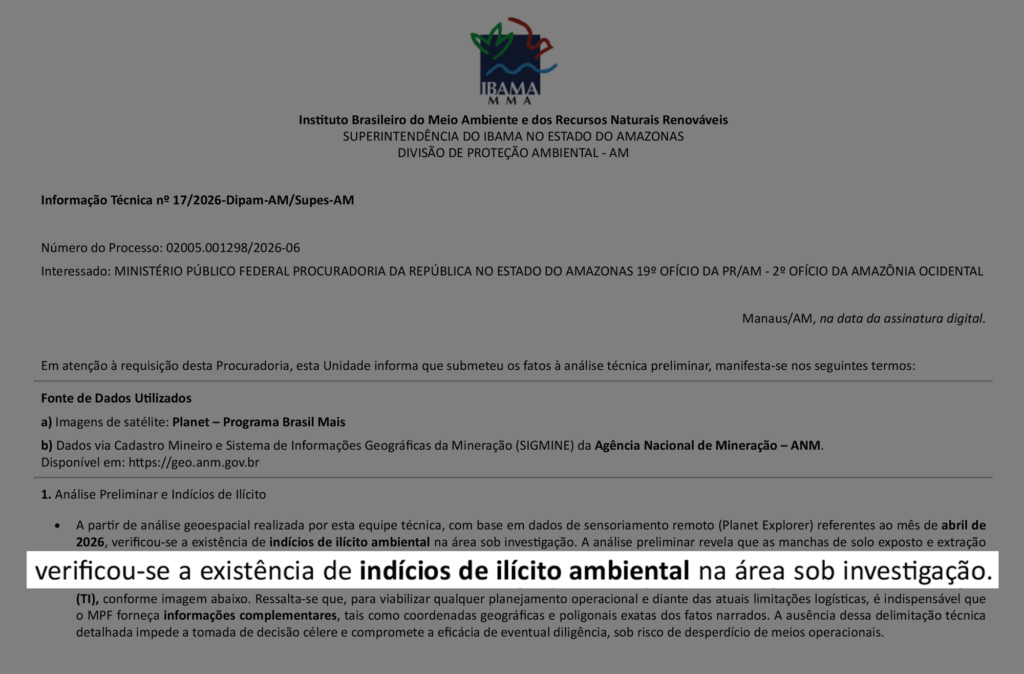
According to the federal environmental agency, an on-site inspection would still be needed to confirm the source of the problem and determine whether any further investigative steps are required. Ibama also points to the absence of a “buffer zone or safety distance” between the mining complex and the Indigenous Land.
This week, the Federal Prosecutor’s Office requested that Ibama carry out an on-site inspection of Taboca’s activities, “including the collection of water, sediment, plant tissue and aquatic fauna samples at different locations”. Prosecutors also contacted the Federal Police and requested “the opening of a police investigation” into possible environmental crimes.
Contacted by Repórter Brasil, Mineração Taboca reaffirmed its “commitment to conducting its operations responsibly” and said it “continues to monitor the situation reported by the communities and recognises the importance of clarifying the facts based on technical and scientific evidence”. Read the company’s full response at this link.
Mining company disputes report finding heavy metal contamination in rivers
Operating since 1982, the Pitinga mine, run by Taboca, was established in an area considered traditional by the kinja, after a presidential decree reduced part of the Indigenous Land to allow the exploitation of mineral deposits.
“Although the deposits are outside its boundaries, they are located near the Indigenous Land. So it is clear that the socio-environmental consequences will affect the territory itself,” says André Porreca, head of the 2nd Western Amazon Office and the prosecutor responsible for the investigation by the Federal Prosecutor’s Office in Amazonas.
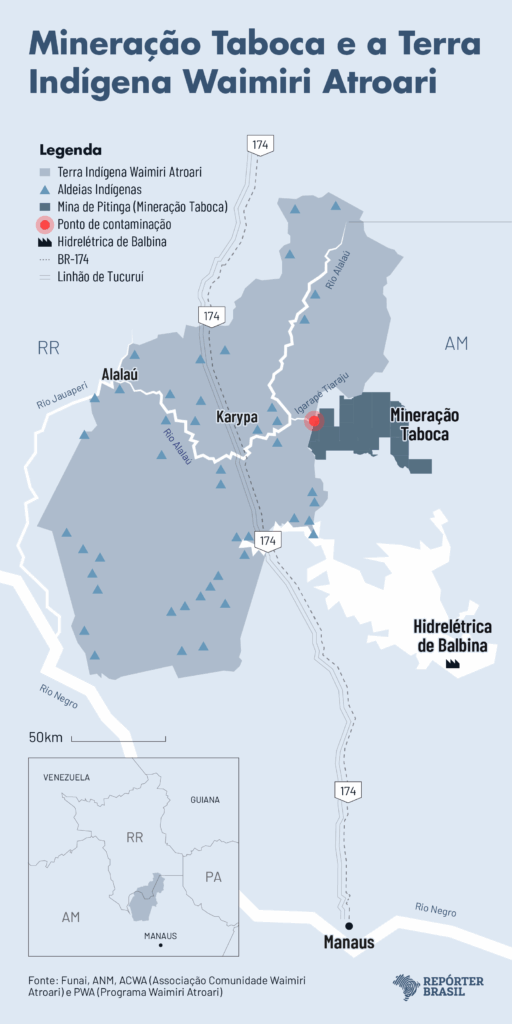
Following a meeting with the Indigenous people last month, the Federal Prosecutor’s Office in Amazonas requested action from the National Mining Agency (ANM), which is responsible for overseeing mining activities. The agency replied that it would meet with Mineração Taboca’s technical team to “discuss various matters”, including “scheduling a field inspection, possibly to take place in June”.
In a statement, ANM confirmed that it met with Taboca last Friday (22) and said it is expected to carry out an inspection of the mining company’s area in the second half of June, “with the aim of investigating outstanding technical and procedural issues”.
The agency said it had not been informed by environmental authorities of any mineral extraction taking place outside the authorised boundaries. However, it stressed that “any finding of irregularities is subject to due investigation, through the initiation of the relevant administrative proceedings and the adoption of appropriate measures, in accordance with current legislation”. The full response can be read at this link.
In March, the mining company’s press office sent a statement to Repórter Brasil saying that “there is no evidence indicating a causal link” between its operations and the possible contamination of the river.
The statement also said that the chemical analysis report that detected traces of lead, arsenic and other toxic substances in the Tiaraju stream “contains methodological gaps that compromise the reproducibility of the information, as well as technical inconsistencies, requiring further investigation before a definitive conclusion can be reached”. The full statement is available at this link.
Dead animals alarm Indigenous people
On 27 April, Indigenous people found a dead turtle floating in the Alalaú River. The following morning, they found two Amazon river dolphins — one of them already decomposing.
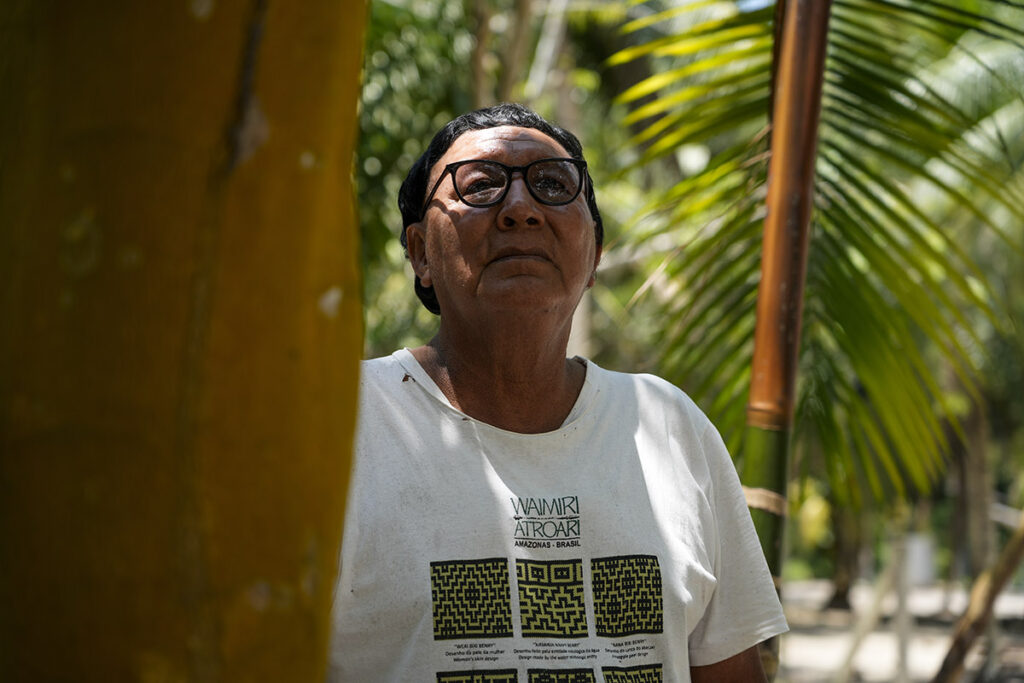
At the time, the water was muddy in colour and had a strong smell, according to an official letter sent by Funai to the Federal Prosecutor’s Office in Amazonas on 29 April and an inspection report dated 18 May. “The colour of the water is not normal,” says Ewepe Atroari, a resident of Maryda village.
Two weeks after the official letter was sent to the Federal Prosecutor’s Office in Amazonas, Indigenous people found a dead stingray and another dead turtle in the bed of the Alalaú River. “Our concern is for the animals that live in the river and have died,” says Ewepe.
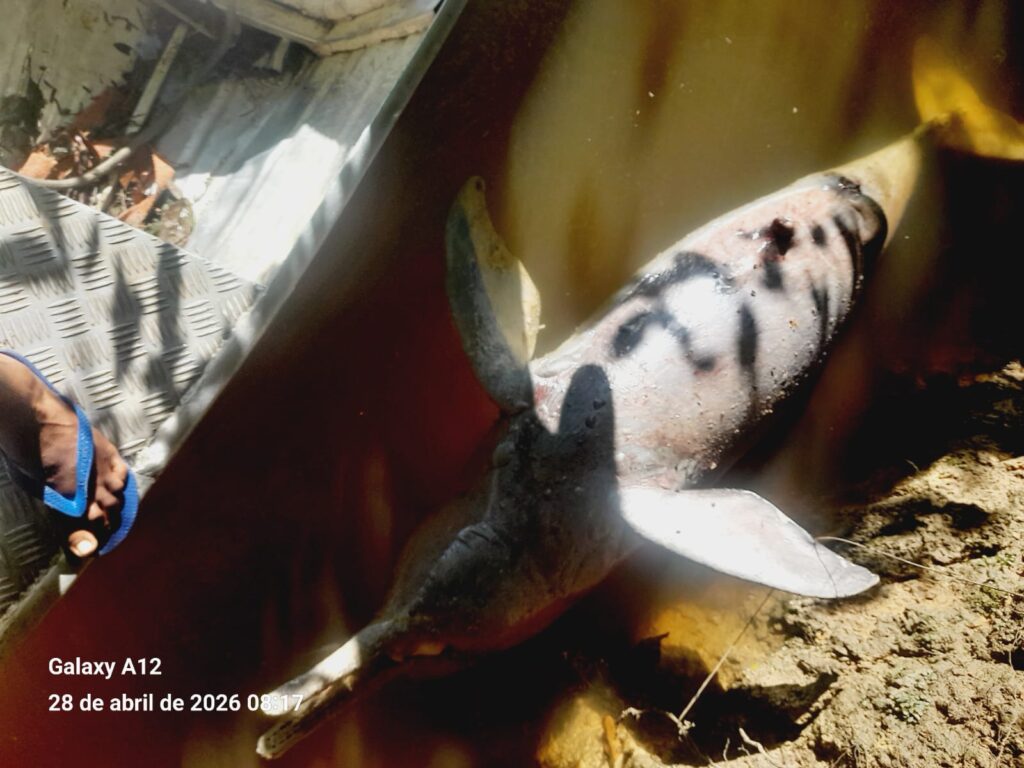
This was not the first time the kinja found dead fish and aquatic mammals. In 2021, after mining tailings overflowed, they recorded the carcasses of turtles and a manatee in photographs. They also reported a decline in fish stocks, which are a staple of their diet.
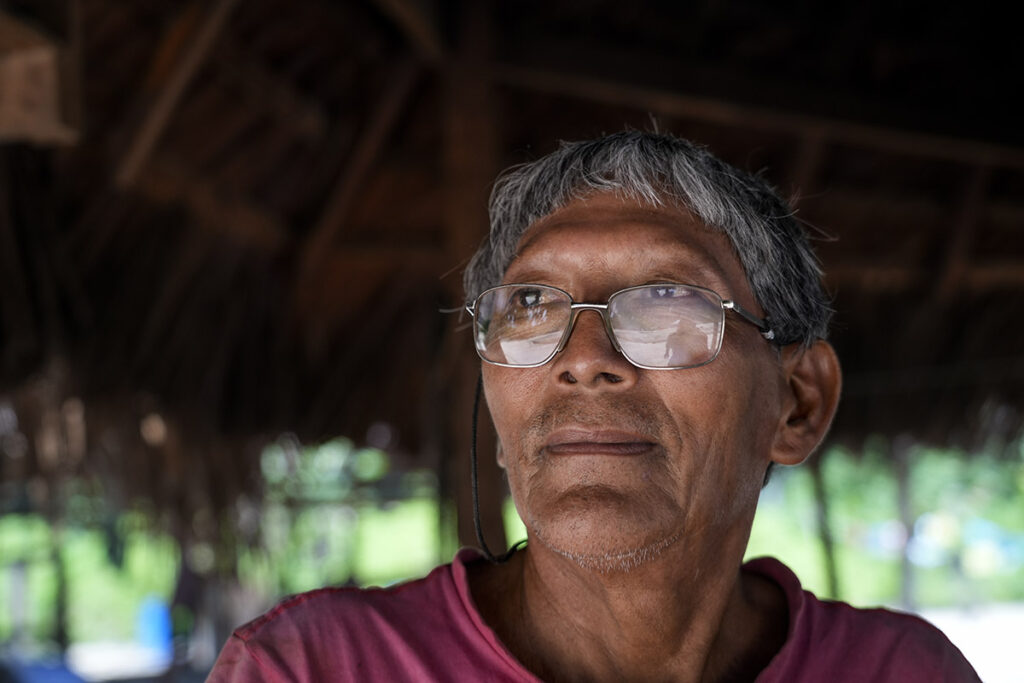
“The muddy water flowed down the river, killing the fish. The water is no longer safe to drink and the fish are dying,” elder Kynetxiri Atroari said in an interview conducted in October 2025.
He remembers a clean river that, he says, changed after the mining company was established in the area in the 1980s. “When I was a child, the Alalaú was clean, with plenty of fish and abundance. Pollution from Taboca arrived and affected everything,” he says.
The investigation by the Federal Prosecutor’s Office seeks to determine whether the mining company is responsible for the release of tailings and the contamination of the river. If the suspicion is confirmed, the next step “would be to prevent the environmental damage from continuing”, says prosecutor André Porreca.
One of the hypotheses under investigation is that the dams may not be adequate to contain the tailings. In that case, the prosecutor explains, it would be necessary to assess improvements to the structures, as well as possible compensation and clean-up measures. “There is a rainy season every year, so this needs to be resolved,” he adds.
In late April, the Federal Prosecutor’s Office heard from the Indigenous people at an extrajudicial hearing. “They have been causing problems for a very long time. We have spoken out and sent documents. Taboca is still there, do they listen to the word of Indigenous people?” questioned Mário Paruwe, director of ACWA, the Waimiri Atroari Community Association.
According to the minutes of the meeting, the Indigenous people “also identified Mineração Taboca as the only source of pollution in the region and stated that waste overflows occur repeatedly during periods of heavy rainfall”.
Amid the investigations, the mining company signed a BRL 12 million (approximately US$2.4 million) cooperation agreement with ACWA in April. The company committed to supporting food security initiatives, including projects to raise animals such as fish, pigs and chickens, as well as the drilling and maintenance of artesian wells in the villages.

25 anos investigando para mudar.
A Repórter Brasil já ajudou a impulsionar leis, fortalecer direitos e combater o trabalho escravo.
Em 2026, fazemos 25 anos — e vem muito mais por aí!